Unsung Heroes Award 2025
A tribute to those who make the public sector better – every day.
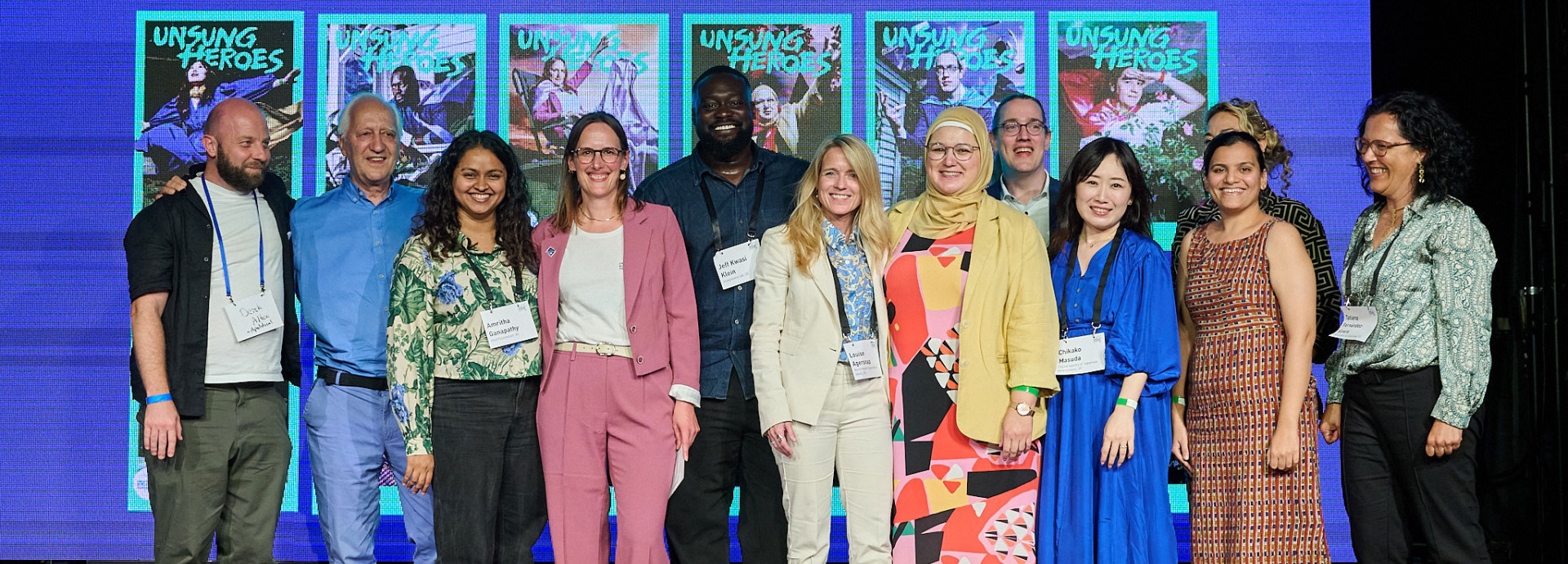
Since day one, the Creative Bureaucracy Festival has championed the people behind the scenes – those who push boundaries, rethink routines, and shape better bureaucracies with courage and care. With the Unsung Heroes Art Project, we shine a spotlight on these everyday changemakers.
What is the Unsung Heroes Project?
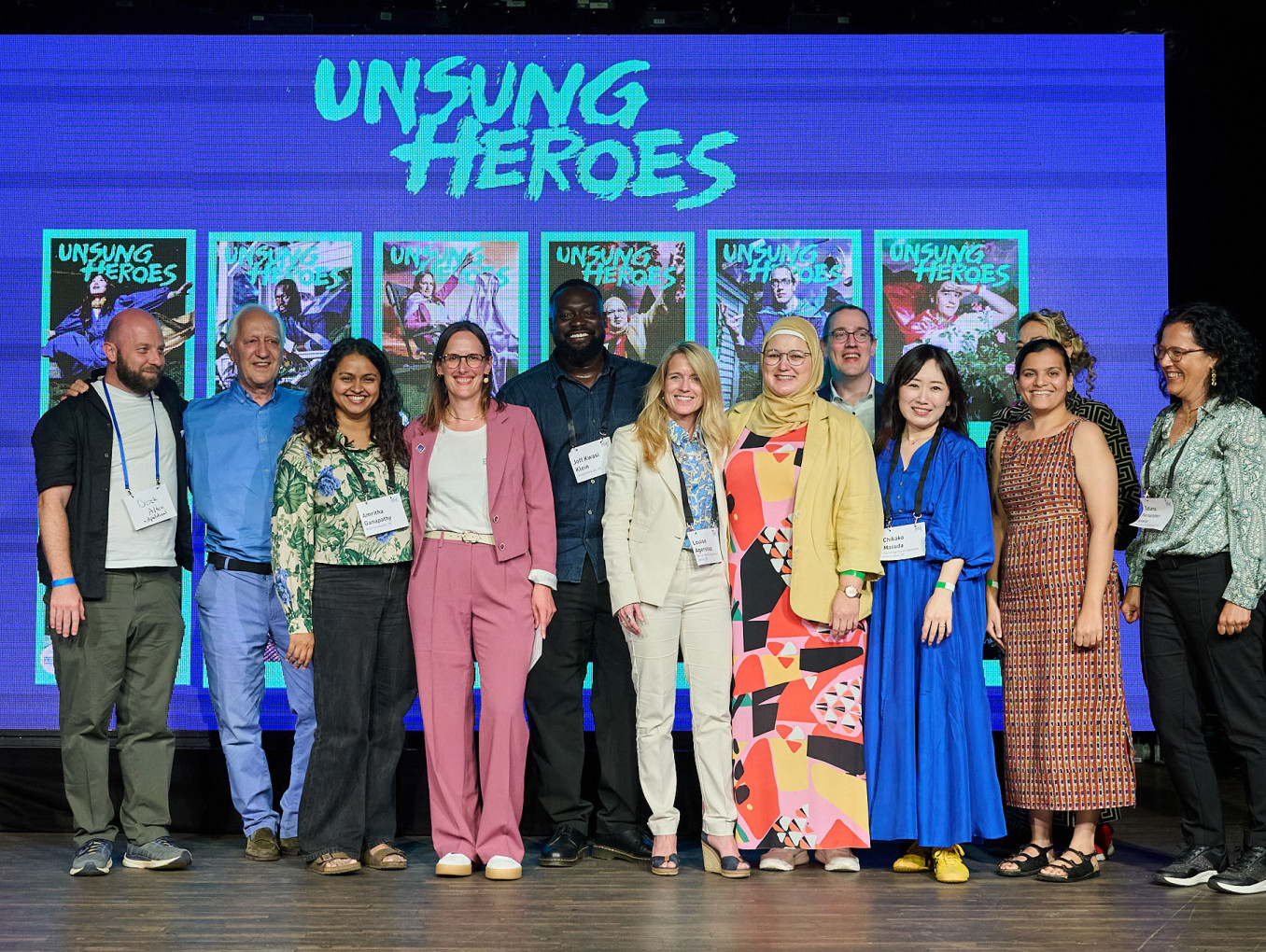
We teamed up with visual artist Esra Rotthoff to capture the spirit of creative bureaucrats and their allies through a series of striking photographic portraits. The project honours individuals who bring innovation, empathy, and dedication to public institutions – often without ever seeking the spotlight.
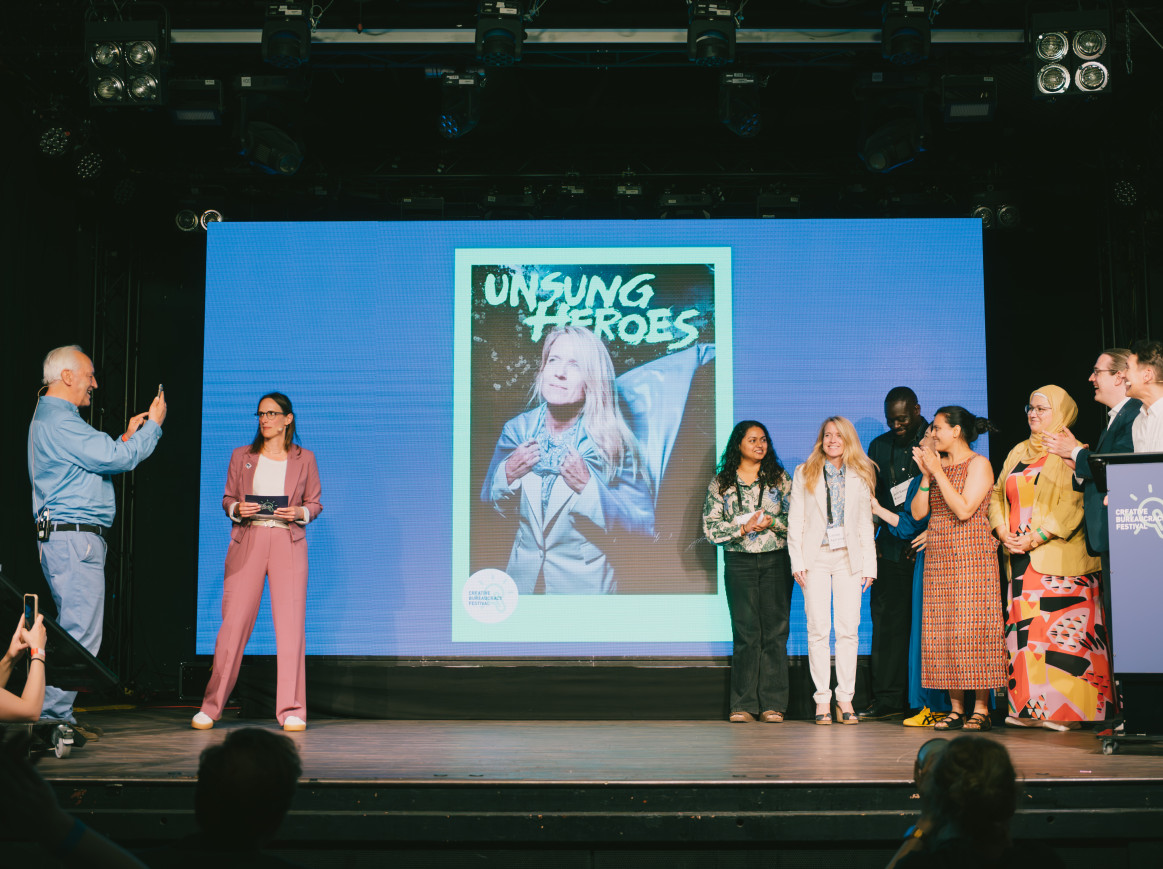
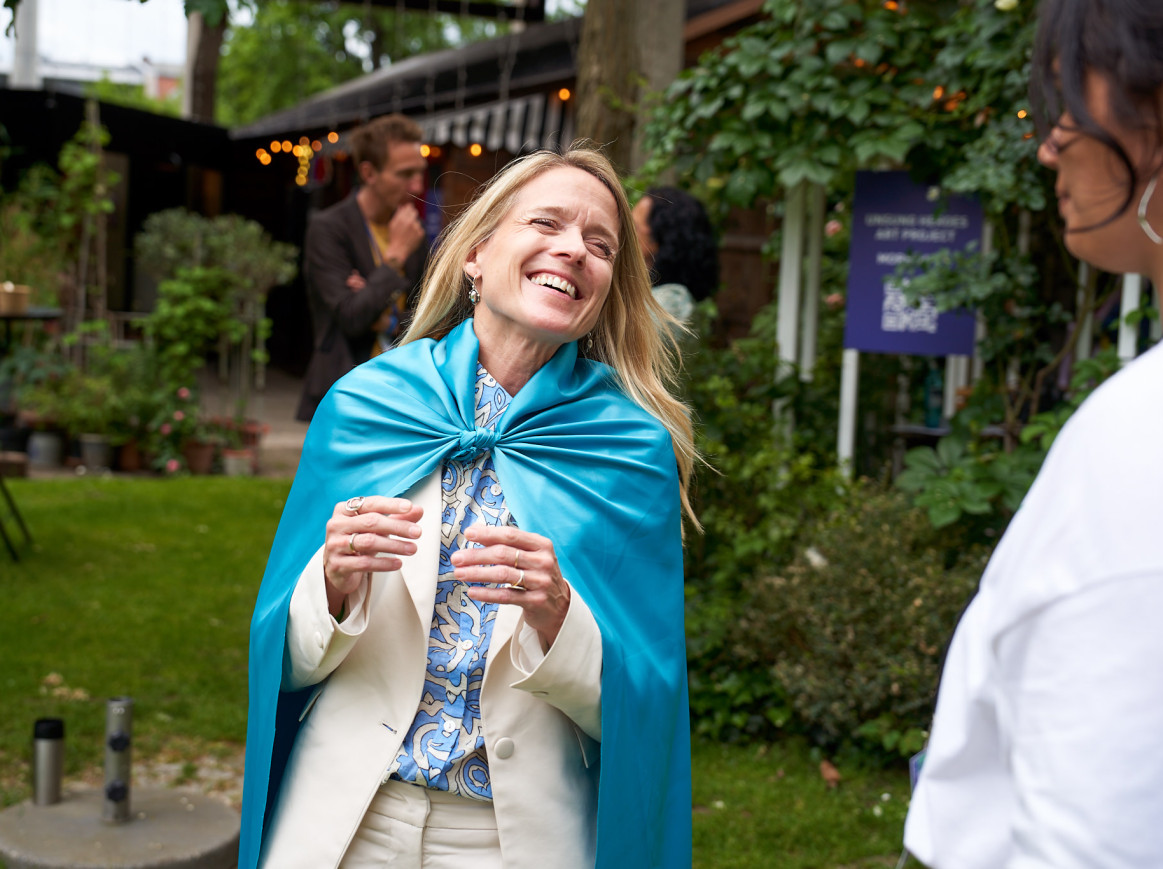
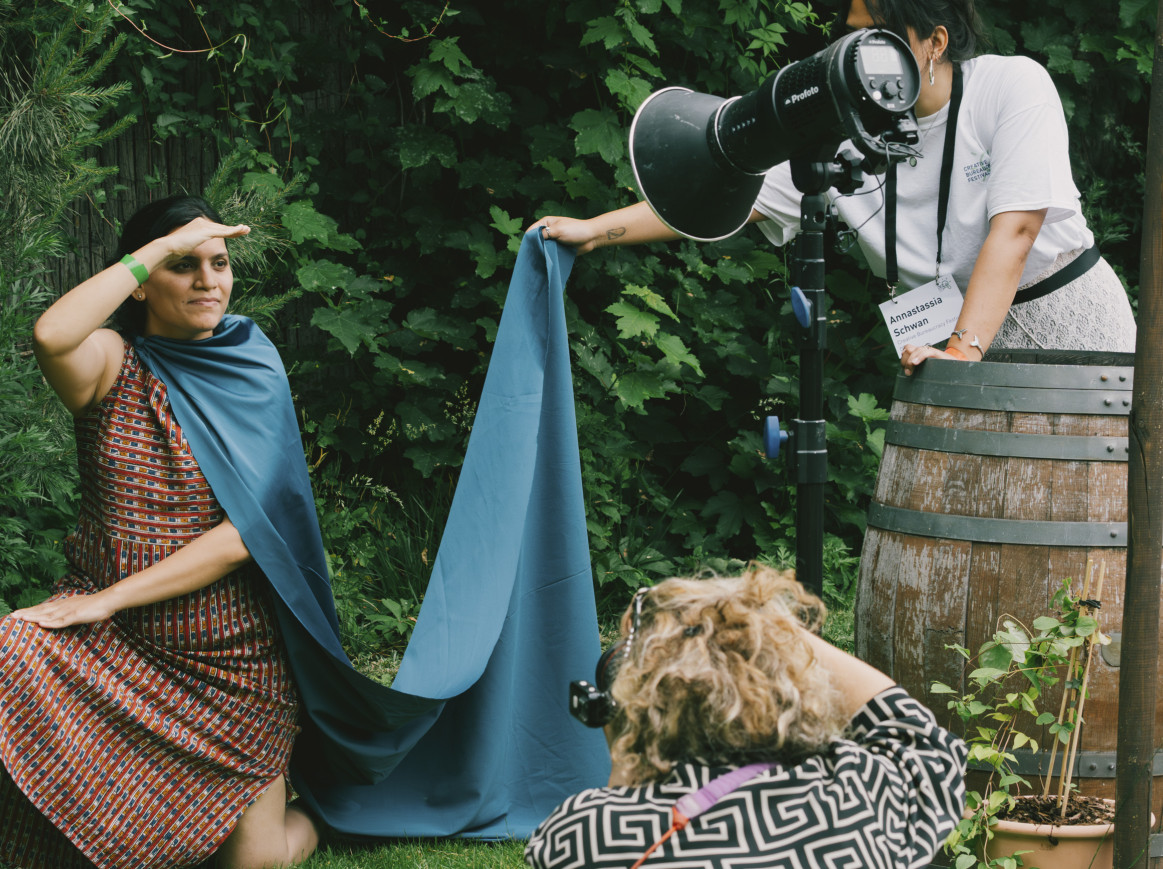
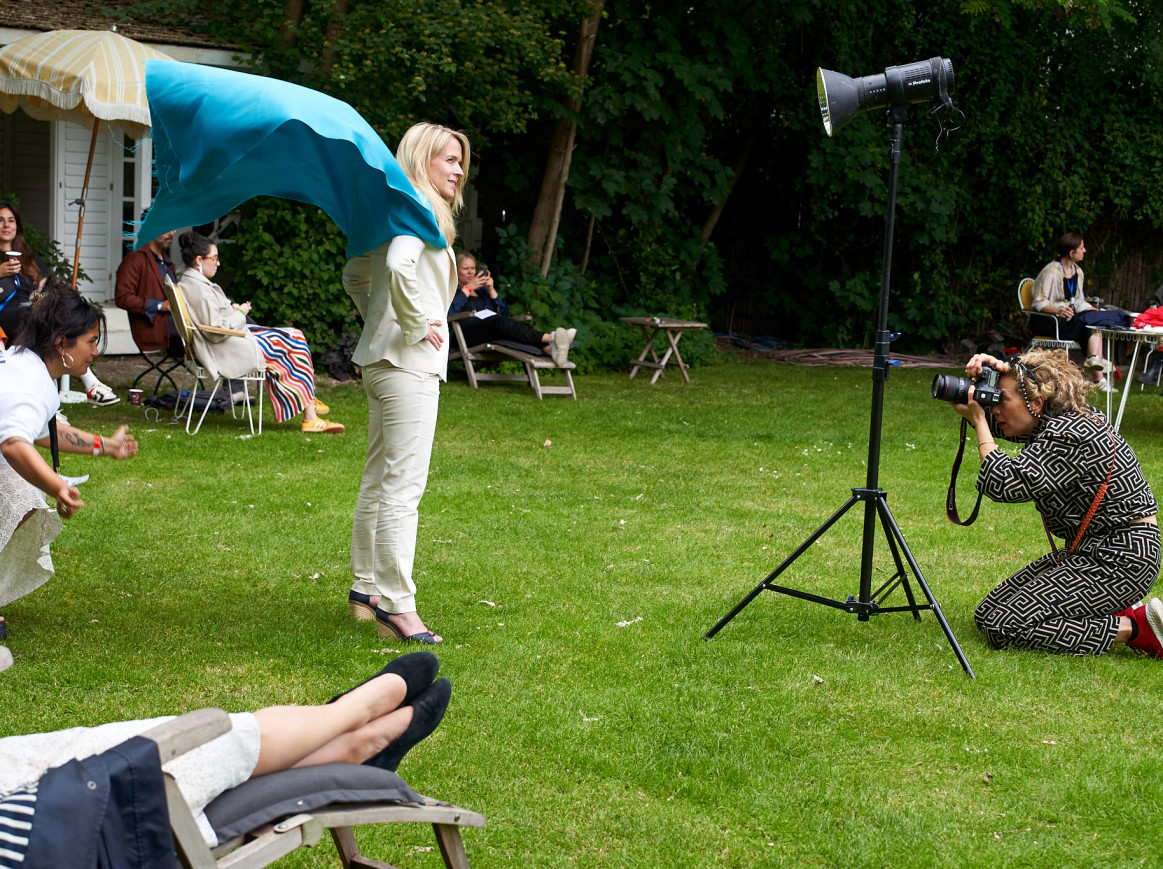
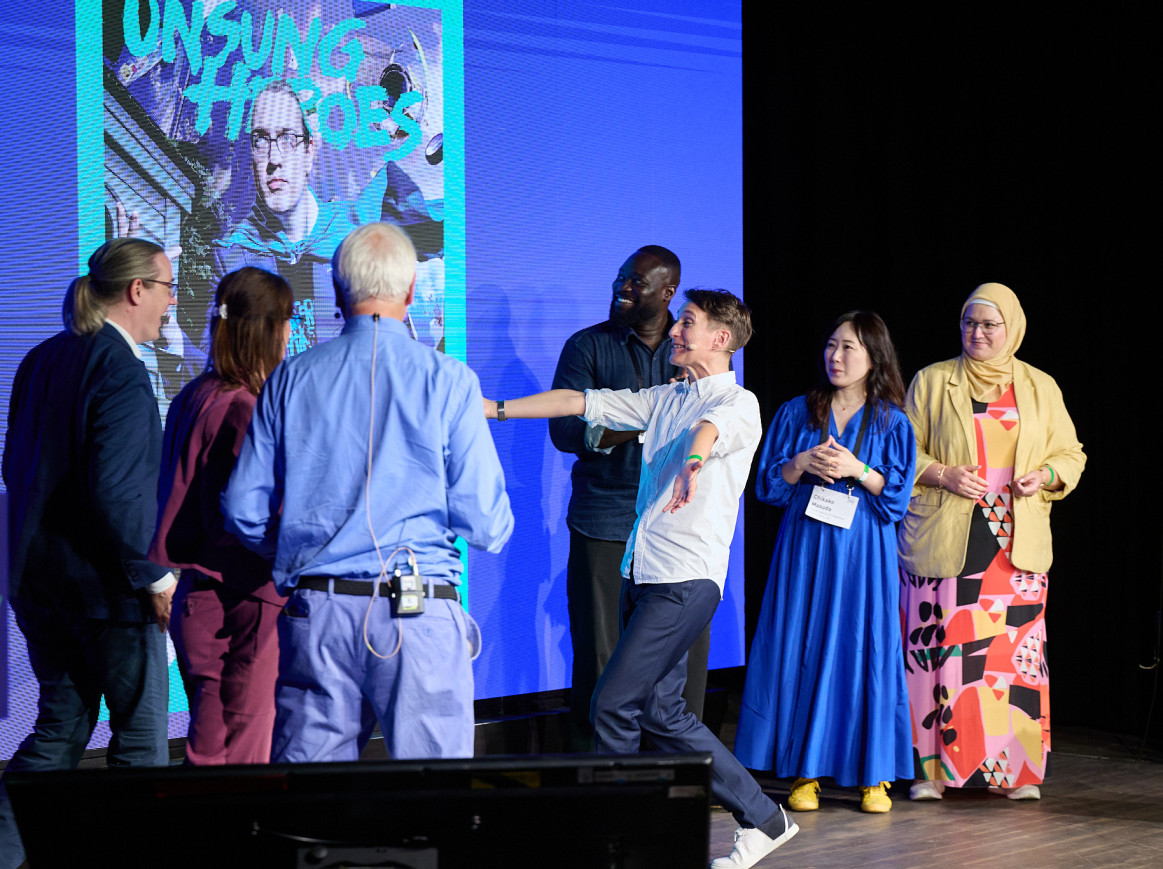
During the festival 2025, selected participants were invited to a joyful 30-minute photoshoot with Esra, offering a fresh, artistic take on what it means to be a “bureaucrat as everyday hero.” The project culminates in a celebratory moment at the Festival Closing, where the portraits are unveiled on the main stage screen.
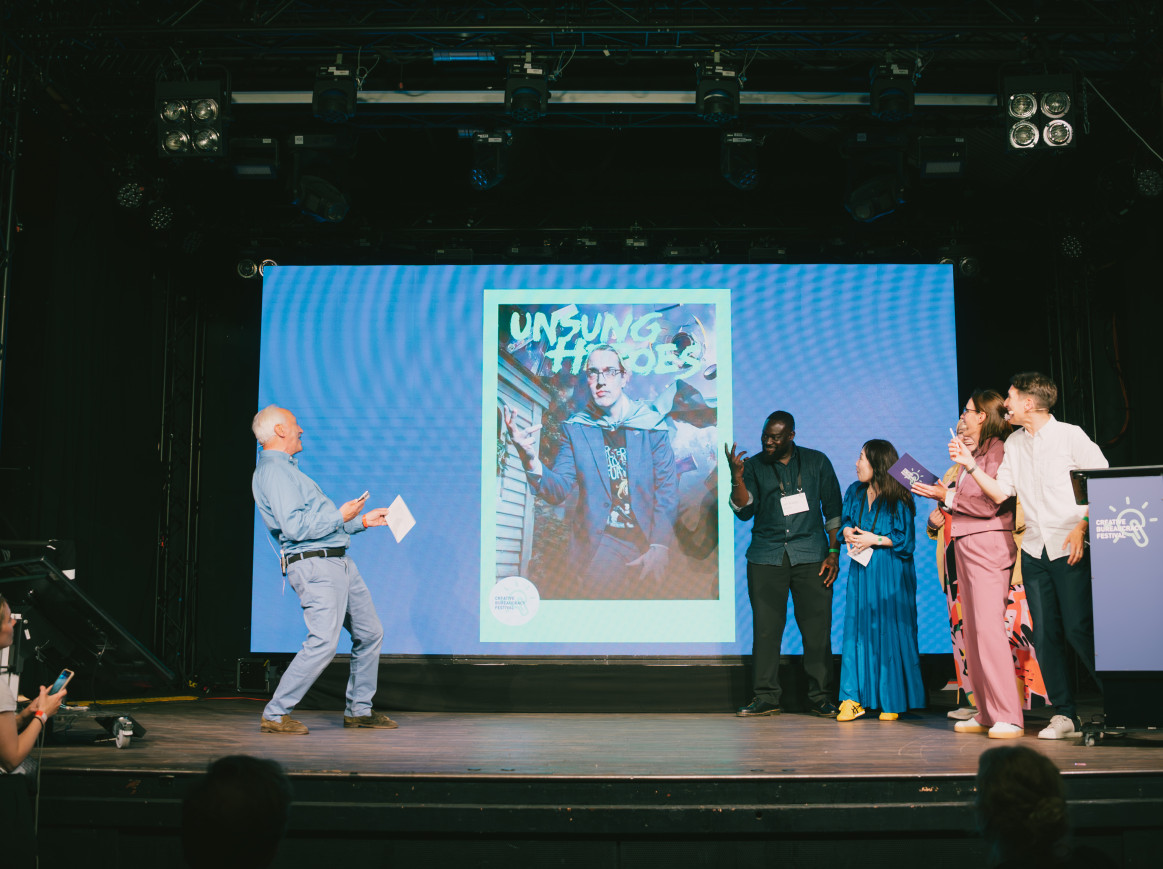
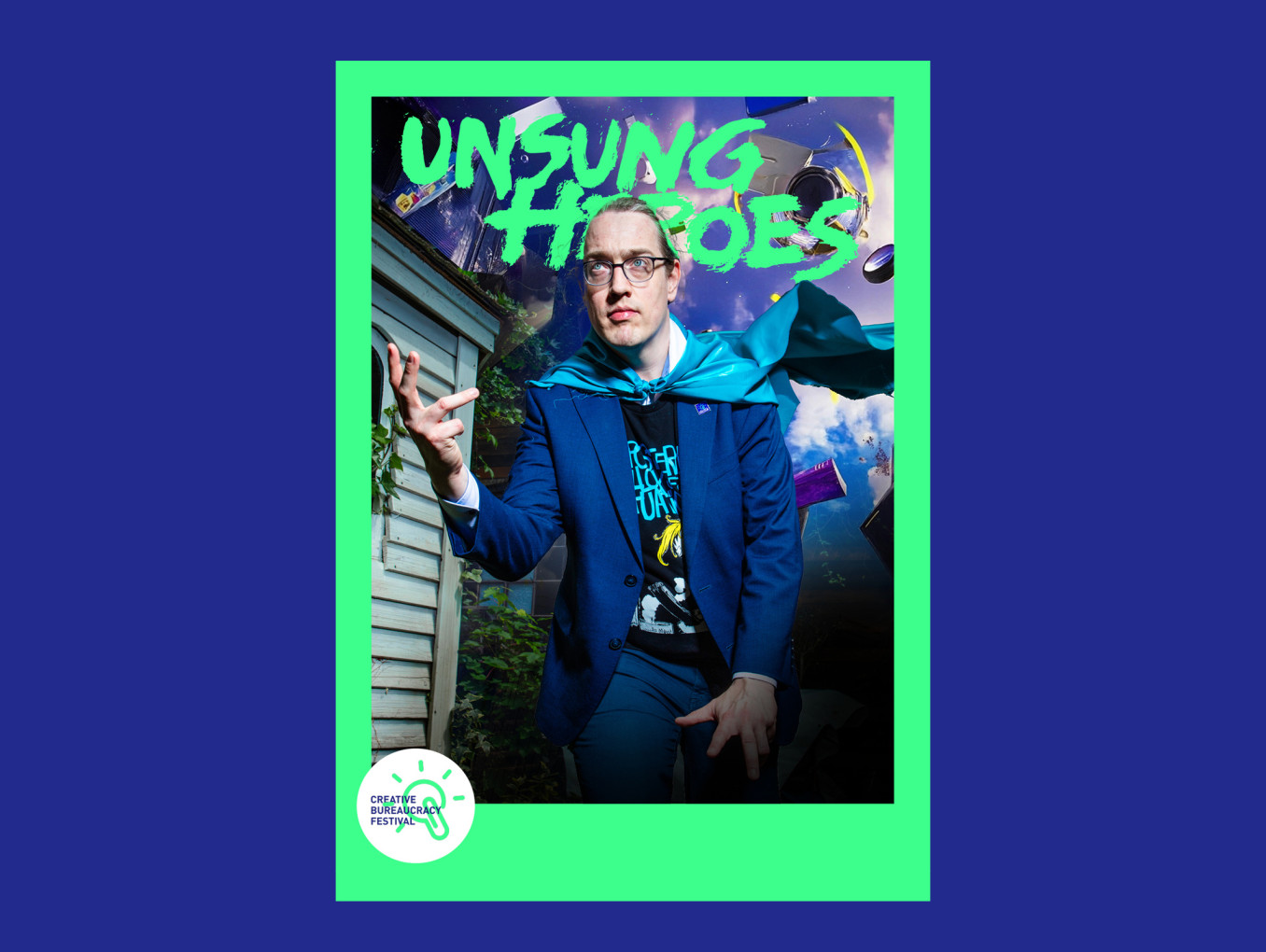
Oliver Lauenstein
Policy Officer & Agile Coach, Federal Ministry of Labour and Social Affairs, Germany
Oliver works as a policy officer and agile coach in the Federal Ministry of Labour and Social Affairs. He is interested in public sector innovation, critical future studies and better politics. He is an advocate for mental health and diversity in the workplace, pushing public institutions to create more humane, inclusive environments. He thinks and talks about possible futures like no other.
What's your public-service superpower?
"Bringing together different innovative impulses and gathering knowledge and people in unusual places."
What's the villain you're fighting in your system?
"The systemic constraints of the public sector."
What does success look like when no one is watching?
"A meeting of unusual suspects, a good conversation, a new idea."
What made you become a Creative Bureaucrat?
"I'm just a civic punk at heart!"
What breakthrough does public administration urgently need now?
"A positive narrative that can be executed on the ground."
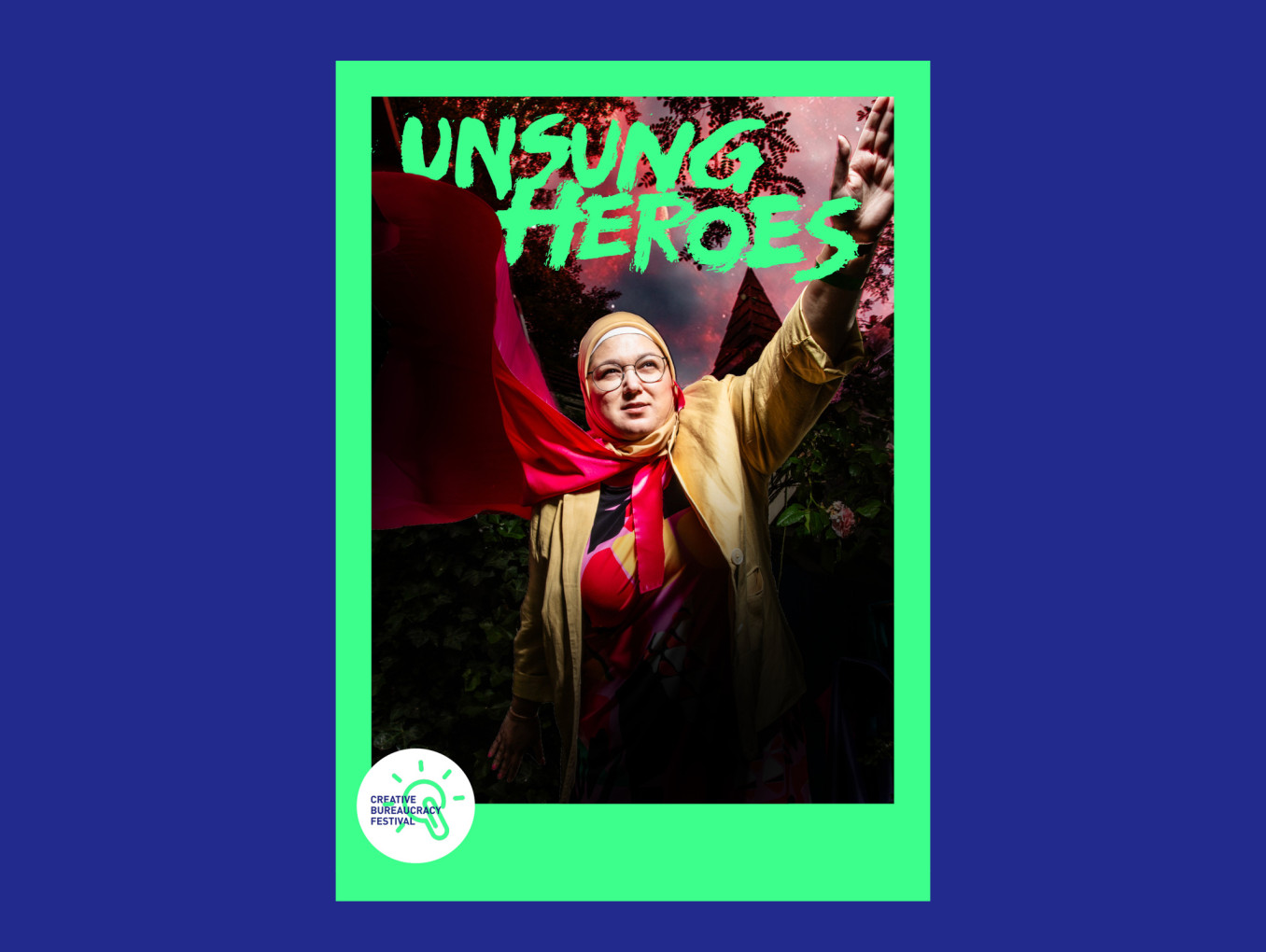
Zehra Öztürk
Acting Head of Application Innovation and New Technologies, Senate Chancellery of the Free and Hanseatic City of Hamburg, Germany
Zehra Öztürk is the acting head of division at the Office for IT and Digitalization of the Free and Hanseatic City of Hamburg. The office is dedicated to bringing new technologies and innovations into Hamburg's administration and, through architecture management, creating the framework for a robust and future-proof IT and application landscape. A computer science graduate, she lives and advocates for diversity, is active in networks such as Re:form and NExT on various public sector topics, and initiated the Ko-Pionier Award for better reuse as part of her commitment. One of the essential and uncompromising voices in the public sector in Germany, she is also deeply involved in creating a movement that encourages municipalities to copy existing solutions.
What's your public-service superpower?
"Thinking outside the box and recognizing dependencies & synergies."
What's the villain you're fighting in your system?
"Possible lack of willingness to embrace change and progress."
What does success look like when no one is watching?
"A piece of really good Italian chocolate melting on your tongue."
What made you become a Creative Bureaucrat?
"I happened to end up in public service and had to stay because public service needs good people to do the job."
What breakthrough does public administration urgently need now?
"The public service needs a new self-image as servants of the people and protectors of democracy. We must create a new narrative in which bureaucracy does not hinder, but empowers and protects."
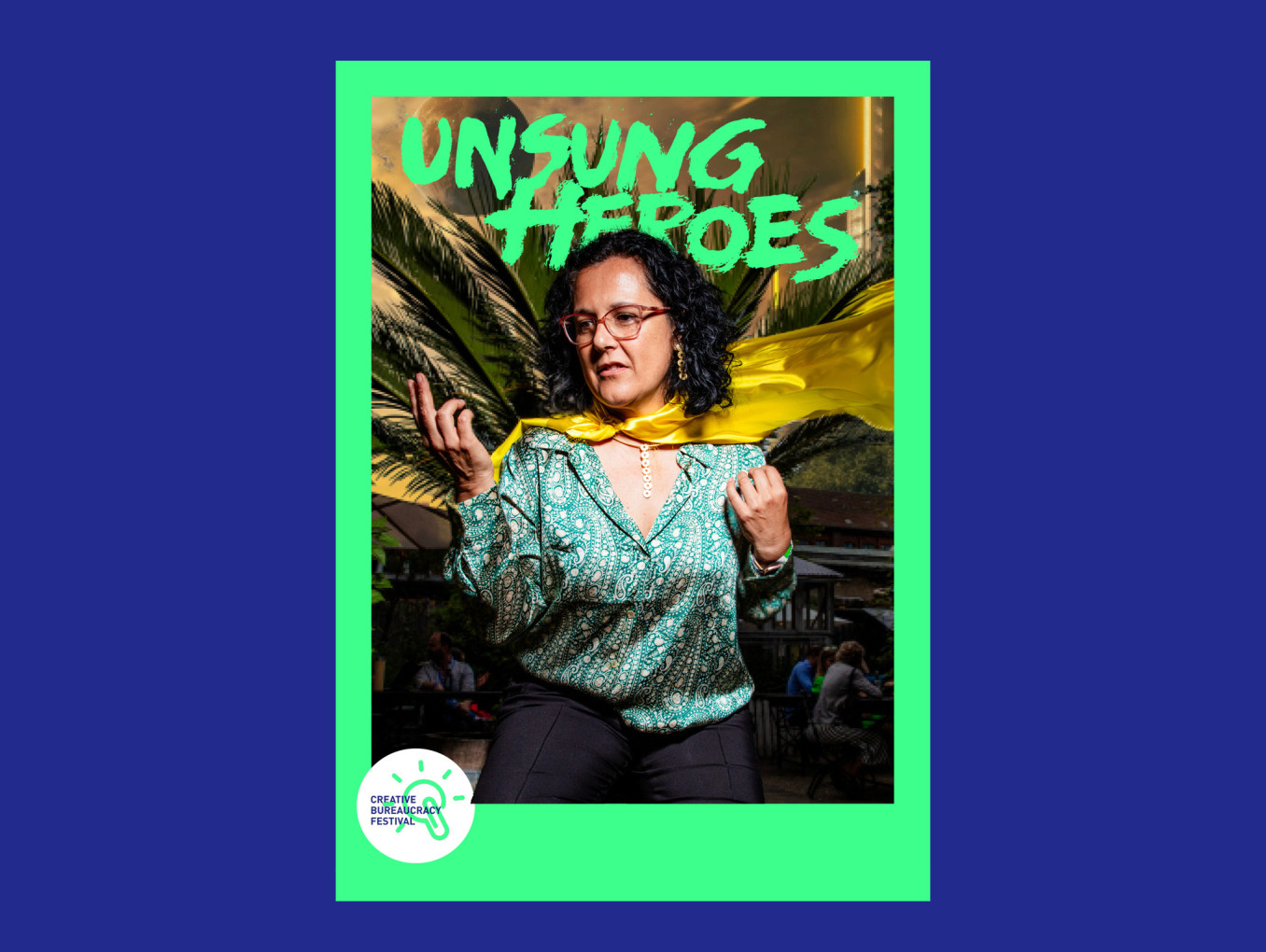
Tatiana Fernández-Sirera
Co-Founder, SharedAgendas.org & Global Institutional Lead, Naked Innovations, Spain (Catalonia)
Tatiana works on organising and sustaining collective action in response to complex economic, social and environmental challenges in specific places. As Co-Founder of SharedAgendas.org and Global Institutional Lead at Naked Innovations, she supports place-based transformation processes, working with public institutions, companies and research organisations to connect direction, coordination and learning over time. Her background builds on more than 25 years in public administration in Catalonia, including leading regional economic strategy and innovation policy between 2017 and 2025. From within government, she worked directly with departments, public agencies and economic organisations to reorganise policy frameworks around concrete challenges such as industrial transition, agrifood renewal and health innovation. This experience led to the co-development of the Shared Agendas approach.
What's your public-service superpower?
"Enabling system's change."
What's the villain you're fighting in your system?
"The ones using Public Administration for their own agendas not caring for the public good."
What does success look like when no one is watching?
"Being able to open spaces for different things to happen: enabling that many others within the public administration can contribute more effectively to generate more public value with purpose."
What made you become a Creative Bureaucrat?
"Awareness of the social and environmental problems of our society/our time and sense of co-responsibility to orient public and private resources to address them more effectively."
What breakthrough does public administration urgently need now?
"Creating spaces for people taking co-responsibility and allowing different things to happen, within the Public Administration and across Public Administration and other actors. Creating the mechanisms to expand the alternatives in organic ways (beyond the linear approach pilot -> scaling-up)."
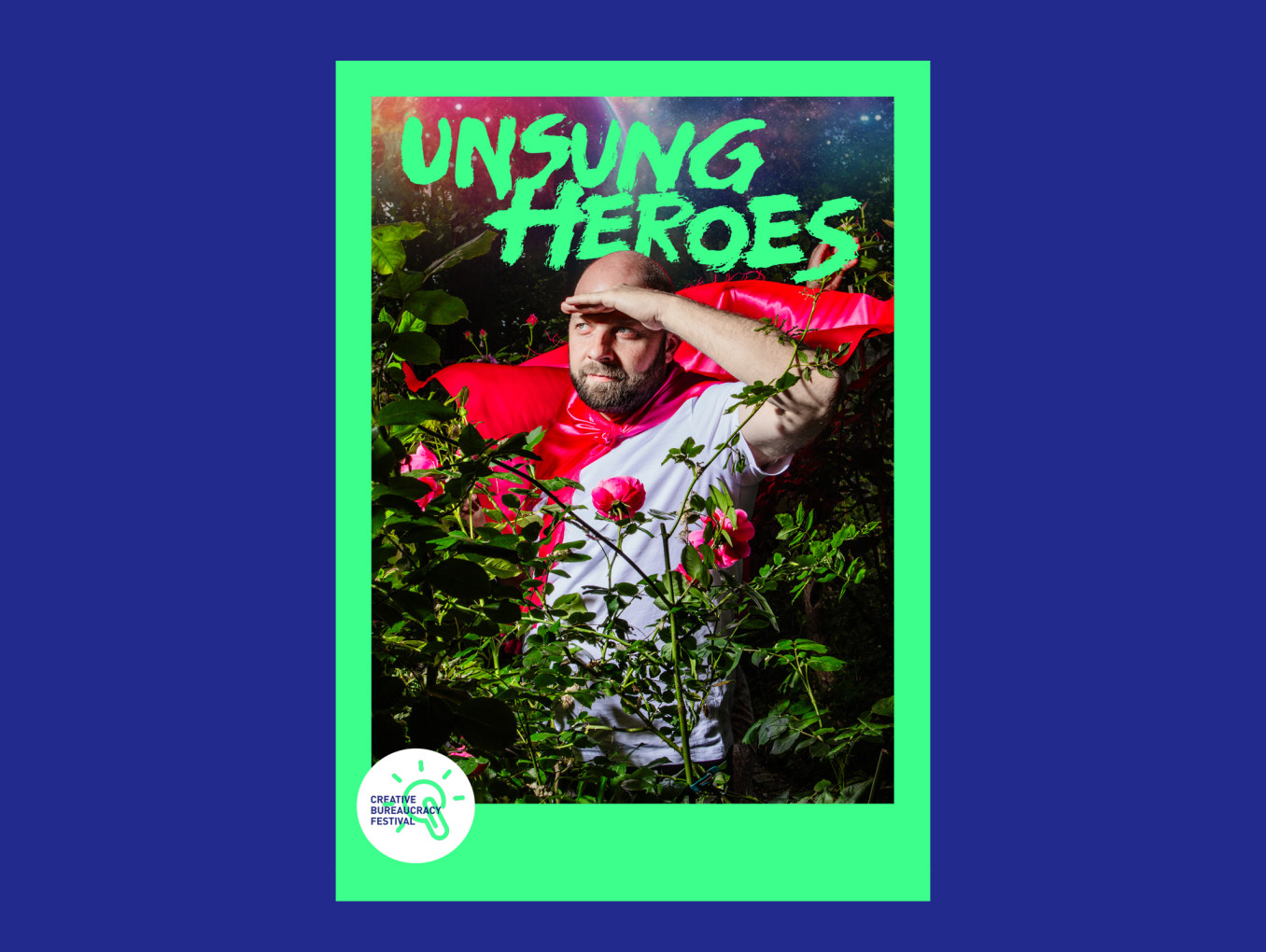
Derek Alton
Host & Chief Explorer, Civic Punks, Canada
Derek Alton has been focused on one central question for the past 17 years: how to make government work better. That journey has taken him from academia and civic activism to working alongside and inside governments, and most recently to his role as Community Engagement Lead at Apolitical, where he helped build and connect global communities of public servants. A relentless connector between government and civil society, he constantly holds space for co-creation and helps build cultures of empathy and openness in the public sector. This year, he is travelling the world, exploring the future of government through the eyes of the people who are building it – sharing it in fun and engaging videos and podcasts under the title of Civic Punks.
What's your public-service superpower?
"Connecting people and ideas."
What's the villain you're fighting in your system?
"Siloes and apathy."
What does success look like when no one is watching?
"A dance party."
What made you become a Creative Bureaucrat?
"One does not become a Creative Bureaucrat; they are born with it and just need to rediscover it."
What breakthrough does public administration urgently need now?
"Hope and Imagination."
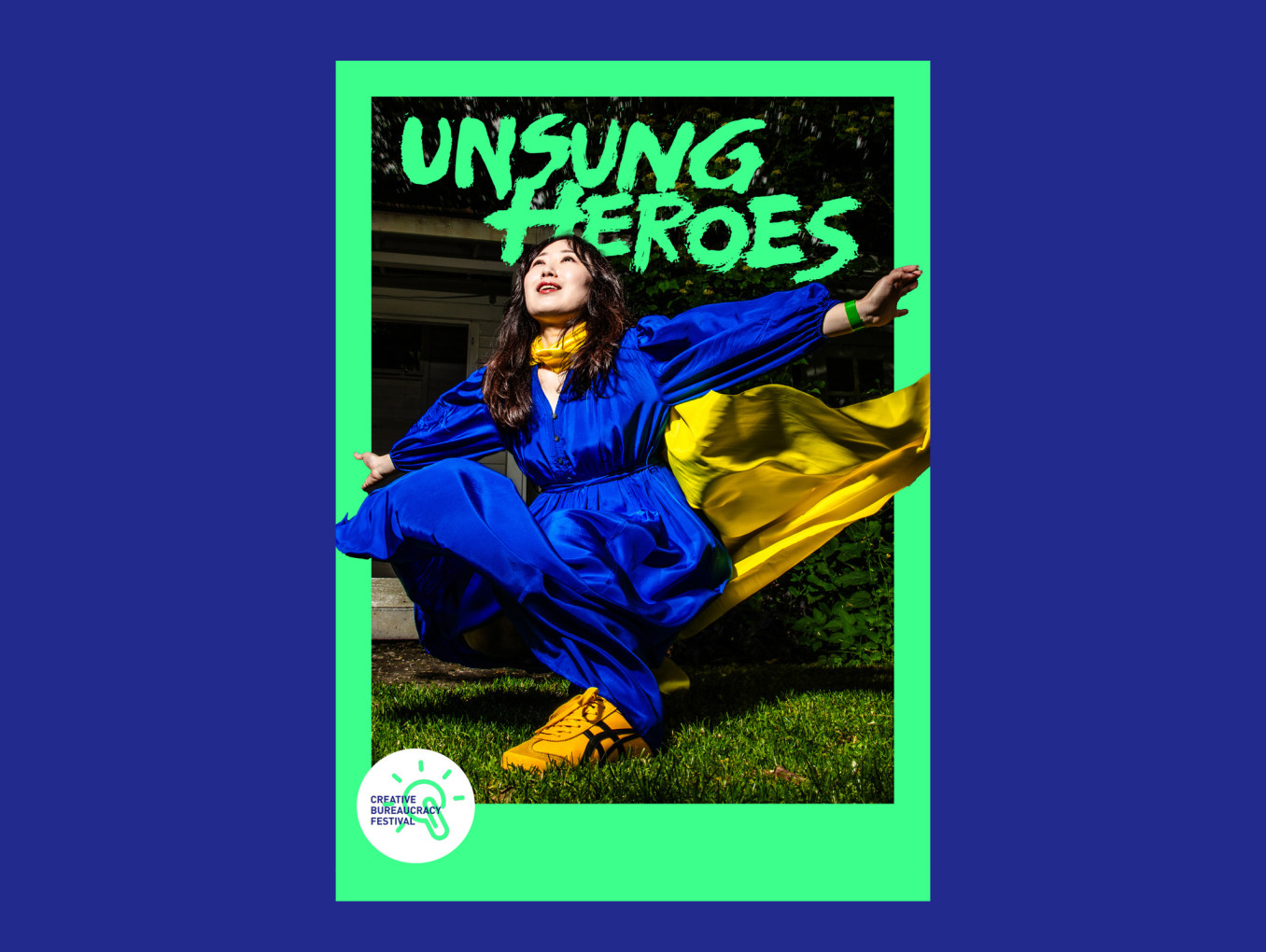
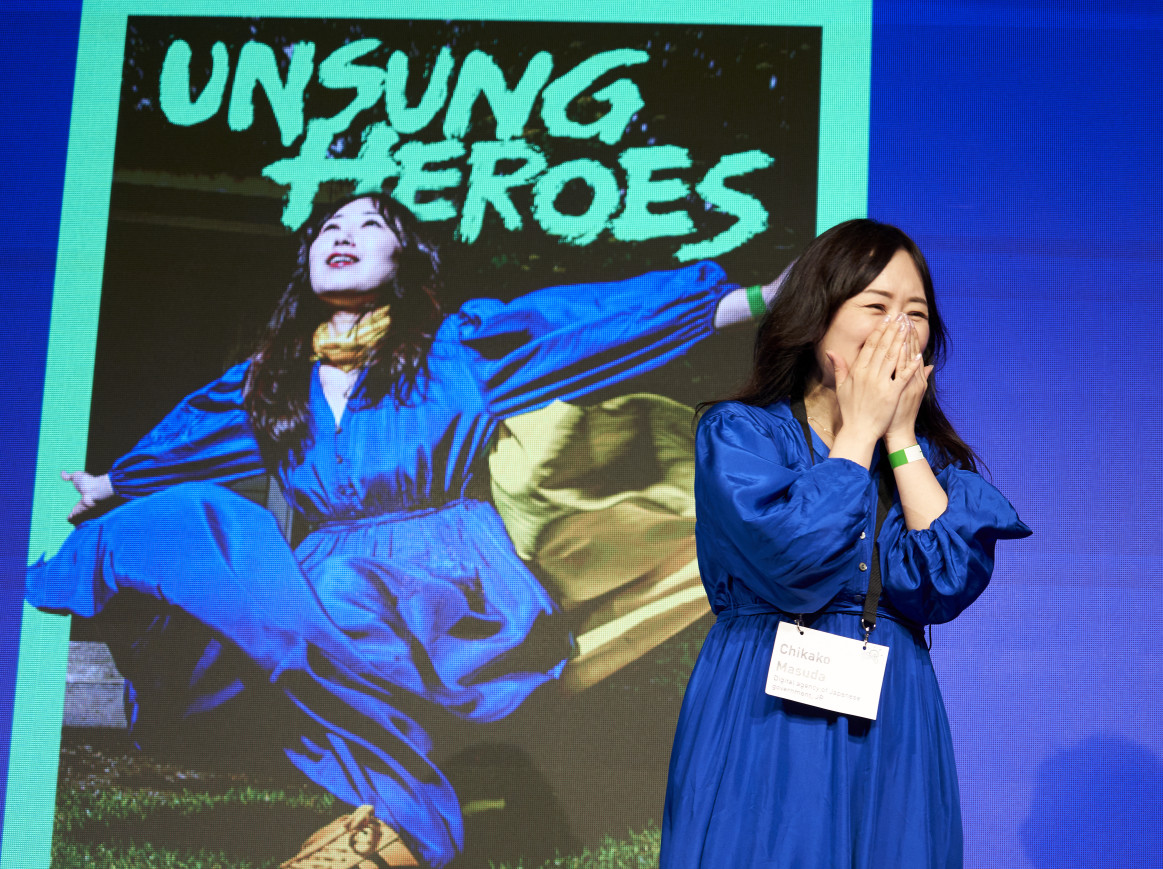
Chikako Masuda
Head of Intelligence Research, Digital Agency of Japan, Japan
Chikako Masuda joined Japan's Digital Agency in 2021, leading intelligence research and policy recommendations on global digital government trends. As the government's first community manager, she promotes service design for human-centered digital services. She co-authored research with the Oxford Internet Institute on Japan's digital policy evolution (2024) and previously contributed to design system analysis and handbooks. One of Japan's few government tech leaders, she mentors emerging talent and was the first Japanese selected for Apolitical's 2025 Government AI 100 and GovInsider's Women in GovTech 2024. Through her work, she strengthens international strategies that quietly shape more effective and transparent digital governance.
What's your public-service superpower?
"I open doors between worlds that don't usually talk to each other." (Government and innovators. Local policy and global practice. Possibility and action.)
What's the villain you're fighting in your system?
"A virus-like invisible 'yokai' lurking within institutions, whispering 'but we've always done it this way' — quietly killing every bold idea before it can grow."
What does success look like when no one is watching?
"If everyone applauds, someone probably got there first. Real success is quiet, lonely — and often invisible to those still walking the old path."
What made you become a Creative Bureaucrat?
"When I realized that a 19th-century bureaucracy cannot tackle 21st-century challenges, I decided to become the one who cracks its shell — through research and boundary-crossing."
What breakthrough does public administration urgently need now?
"The breakthrough public administration urgently needs is the implementation of Collective Intelligence. Who sits at the decision-making table (gender, generation), whether challenge is rewarded over caution, and whether governments are truly flexible enough to absorb outside thinking — without all three, government will never open new doors."
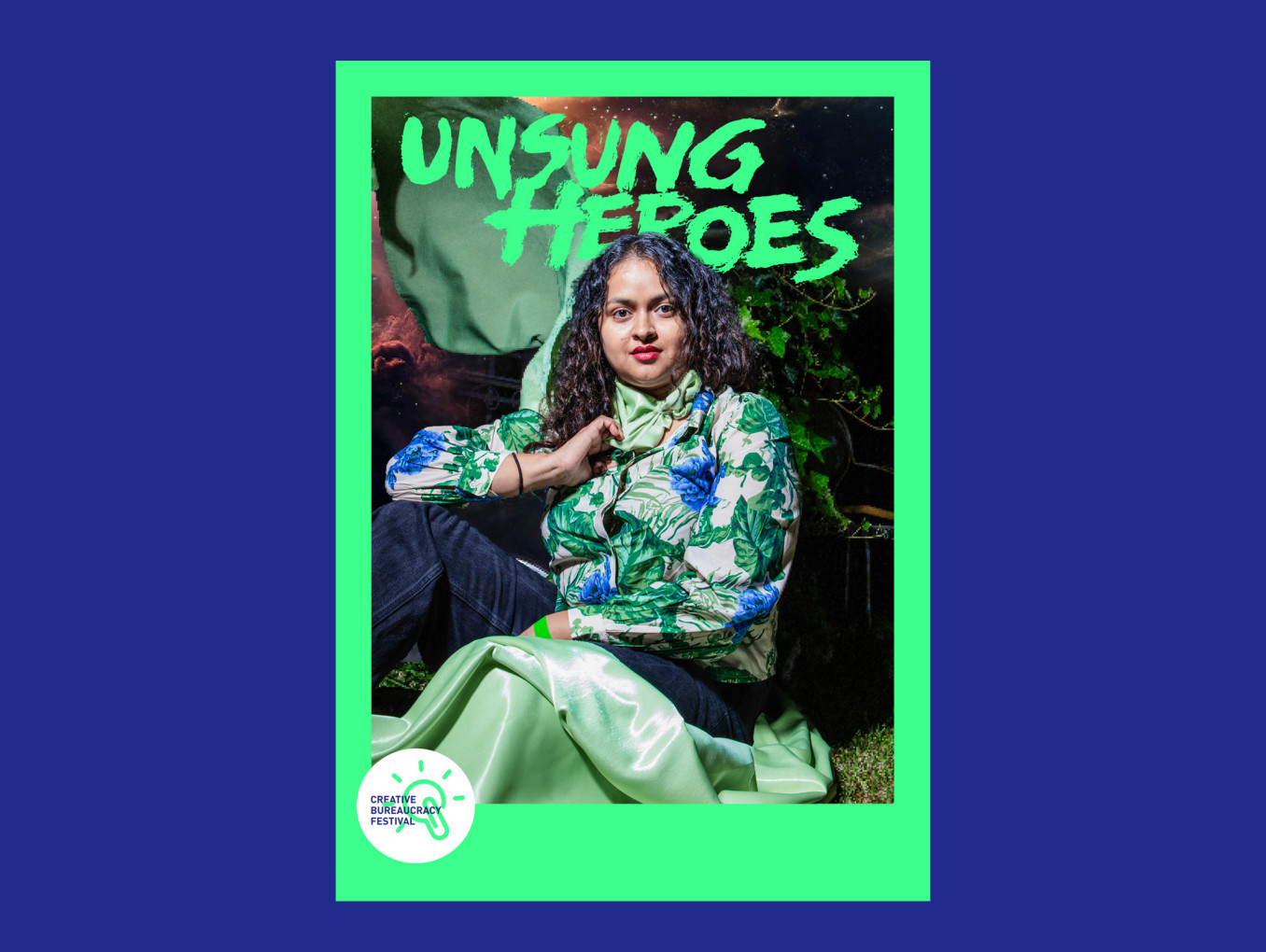
Amritha Ganapathy
Senior Urban Designer, MOD Foundation, Bengaluru, India
Amritha Ganapathy has been a key member of the team behind the K100 Citizens' Waterway in Bengaluru — a landmark project that reimagines stormwater drains as public assets rather than grey infrastructure. Grounded in historic research and a data-driven approach, the project reconnects citizens with their water heritage while strengthening ecological management and community stewardship. Her work extends beyond design into public engagement, where she develops and curates programmes on urban water systems, governance, and infrastructure. Through lectures, workshops, citizen audits, and interactive formats, she works to build greater public understanding of how cities function — and how citizens can actively participate in shaping them. Together with Bagyashri Kulkarni, she has turned Infrastructure into Infraculture, weaving culture, community and public administration together to create better spaces for all.
What's your public-service superpower?
"Ability to work with and in between multiple stakeholders and to bring them together through communication design."
What's the villain you're fighting in your system?
"Many departments working separately with goals often at odds with one another. Establishing no compromises on liveability and human centric design has been our main priority."
What does success look like when no one is watching?
"Getting people on the same page, working towards the same goal - for example keeping the stormwater drain clear of sewage."
What made you become a Creative Bureaucrat?
"I am an architect by training and have been working on public projects, the creative bureaucracy has come out of necessity in creating clarity of design intent, and clear goals for projects."
What breakthrough does public administration urgently need now?
"Re-imagining implementation is the need of the hour - to diversify source of funds but also create more pathways for accountable implementation."
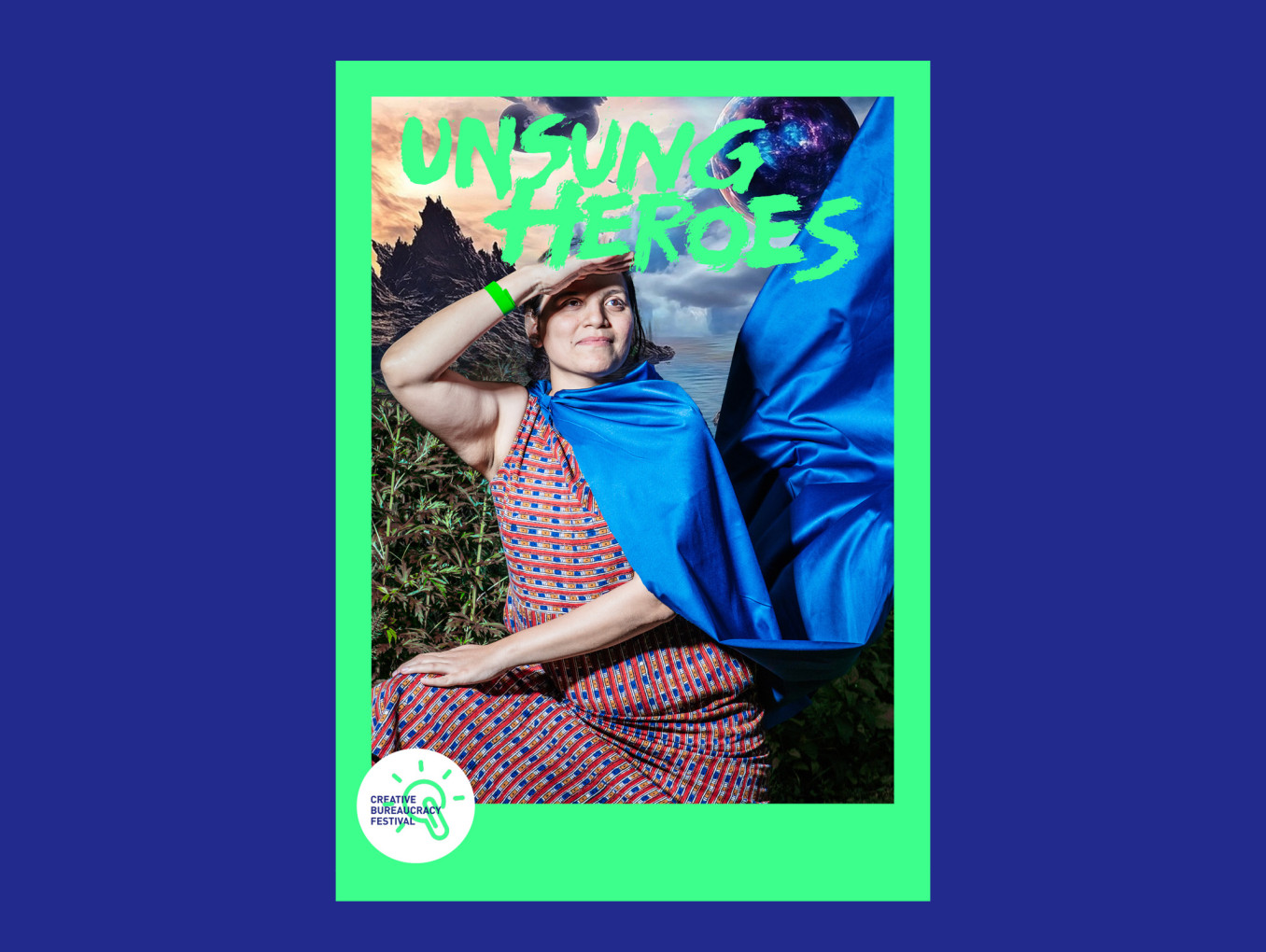
Bagyashri Kulkarni
Urban Design Associate, MOD Foundation, Bengaluru, India
Bagyashri Kulkarni is an Architect and Urban Designer with extensive experience in urban development, specialising in process management, multi-agency coordination, and community engagement. Her work spans infrastructure design and strategic urban initiatives aimed at fostering sustainable and inclusive cities.
Currently, she works on a range of urban design projects, including the K100 Citizen's Waterway Project in Bengaluru, where she facilitates collaboration among multiple stakeholders and supports the ecological restoration of the K100 drain catchment area, aiming to improve stormwater management and enhance public spaces. Previously, Bagyashri worked as a Consultant to the Government of Karnataka, where she contributed to the development of the Ease of Living Index and Municipal Performance Report for 14 cities across the state, helping to establish frameworks for better urban governance and citizen-centric policy evaluation.
Together with Amritha Ganapathy, she has turned Infrastructure into Infraculture, weaving culture, community and public administration together to create better spaces for all.
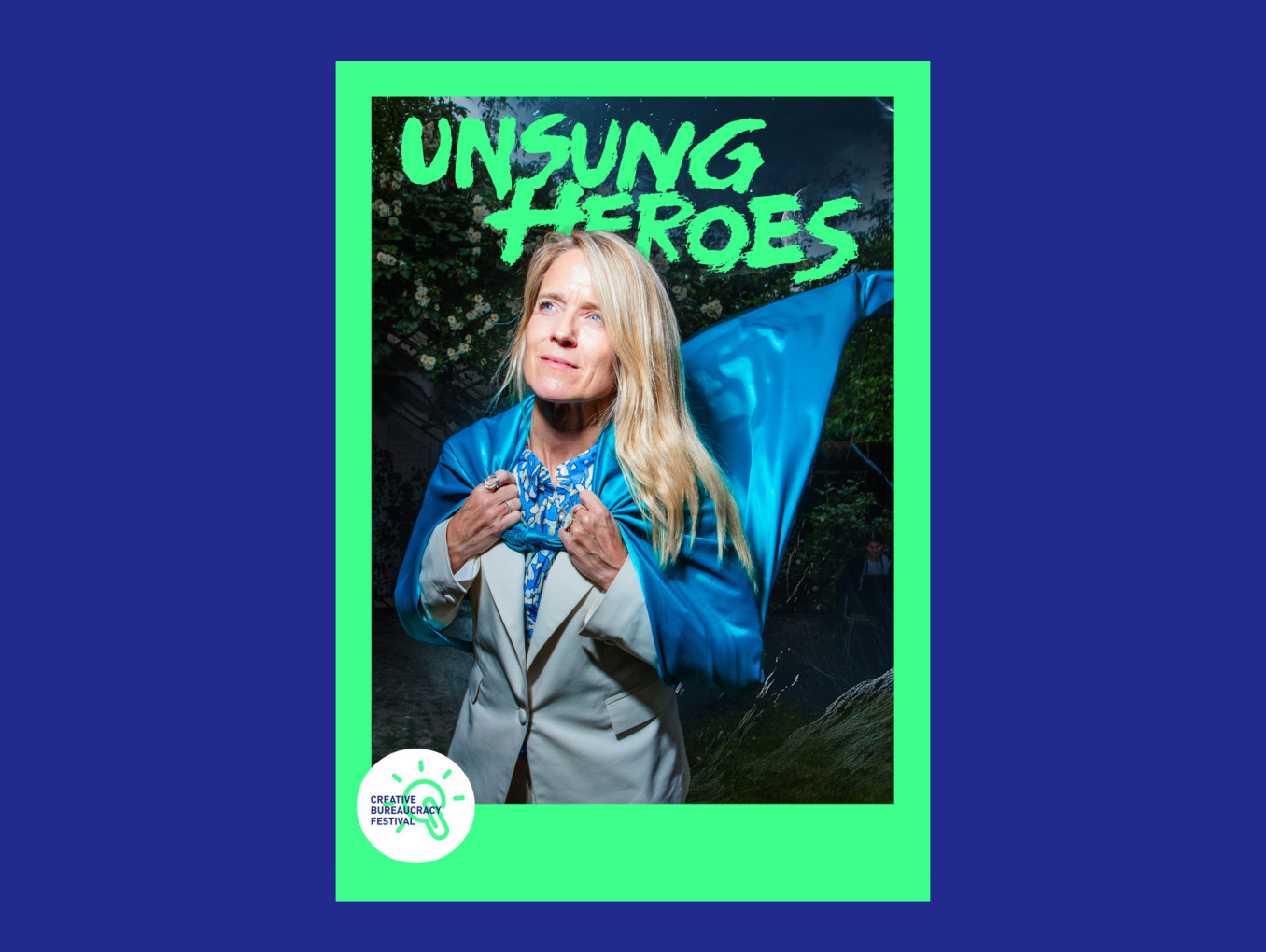
Louise Agersnap
Head of Innovation Hub, World Health Organization (WHO), Geneva, Switzerland
Louise Agersnap leads strategic efforts to harness digital health and innovation to address global health challenges as Head of the Innovation Hub at the World Health Organization. With over 20 years of experience across the private sector, government, academia, and the UN system, she has led governance reforms, forged multistakeholder partnerships, and driven efforts to advance health equity and sustainable development.
At WHO, she leads strategic initiatives to strengthen ecosystems that enable the scaling of innovations for under-served populations and develops innovation tools and guidance for 194 member states. Her most recent initiative is the WHO Digital Innovation Investment Platform, aimed at catalysing investment in impactful digital health solutions in low-resource settings through cross-sector partnerships. Born in Denmark, Louise has lived and worked in New York, Panama, and Geneva. She is also a practising, selling artist with exhibitions in Luxembourg and Madrid and online.
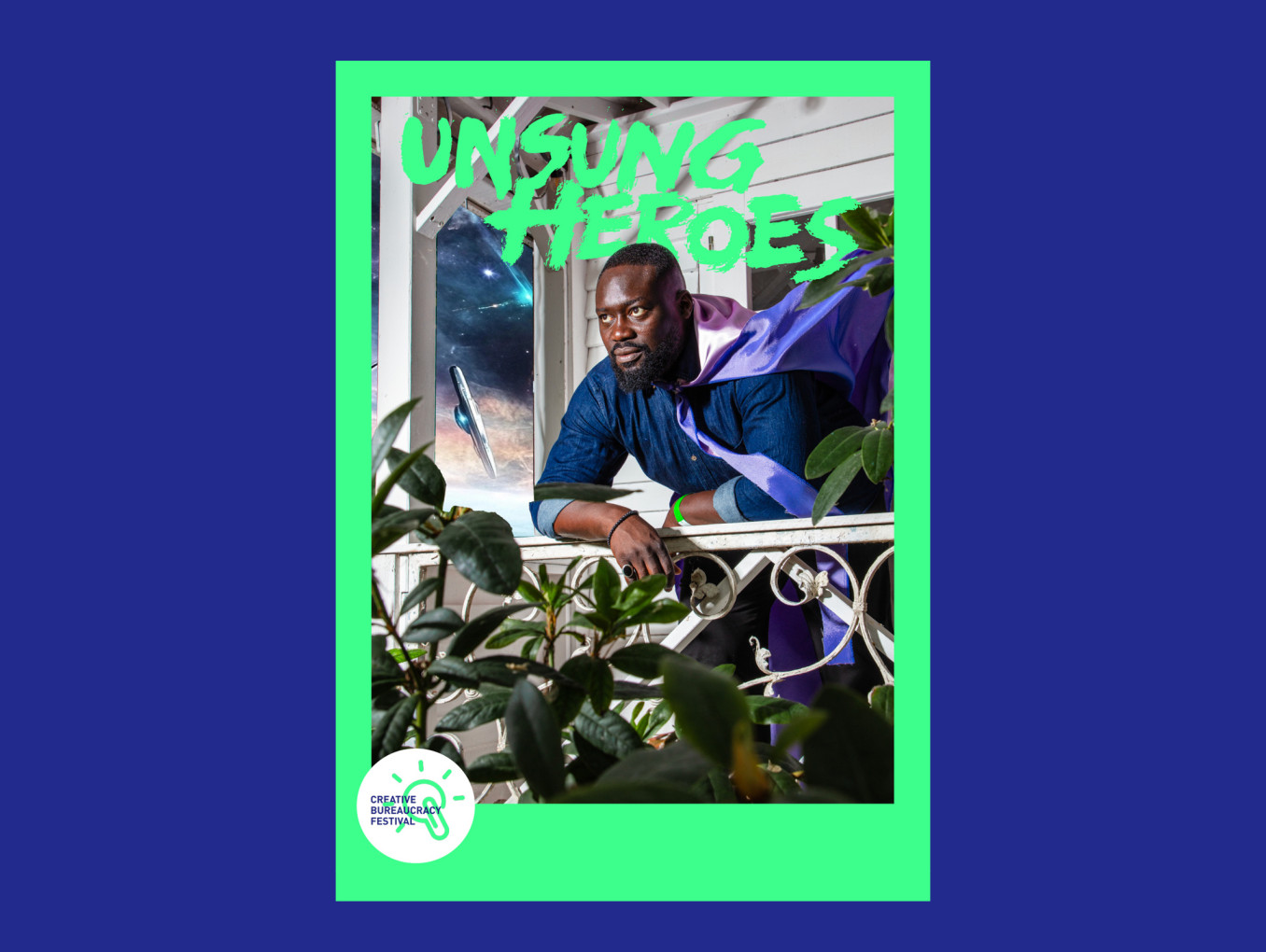
Jeff Kwasi Klein
Co-Founder & Co-Director, imagineers lab, Berlin, Germany
Jeff Kwasi Klein is an advocate, strategist, and thinker at the intersection of social justice, generative imagination, and political innovation. He is the Co-Founder and Co-Director of imagineers lab, an interdisciplinary space for holistic transformation and the co-creation of desirable futures.
As Co-Director of the Multitudes Foundation, he supported political changemakers and initiatives across Europe in reimagining more inclusive, representative, and human-centred politics. Previously, Jeff led the May Ayim Fund, a community-based funding project, and led Germany's first anti-discrimination counselling centre for Black, African, and African Diasporic people at Each One Teach One (EOTO).
He is currently a member of the Berlin Senate's Equality Advisory Board, focusing on combating anti-Black racism, and has served on numerous committees and political initiatives over the years. Through these roles, Jeff advocates for the rights of Black, Indigenous, and Communities of Colour, working to dismantle structural inequities while fostering more just presents and futures.
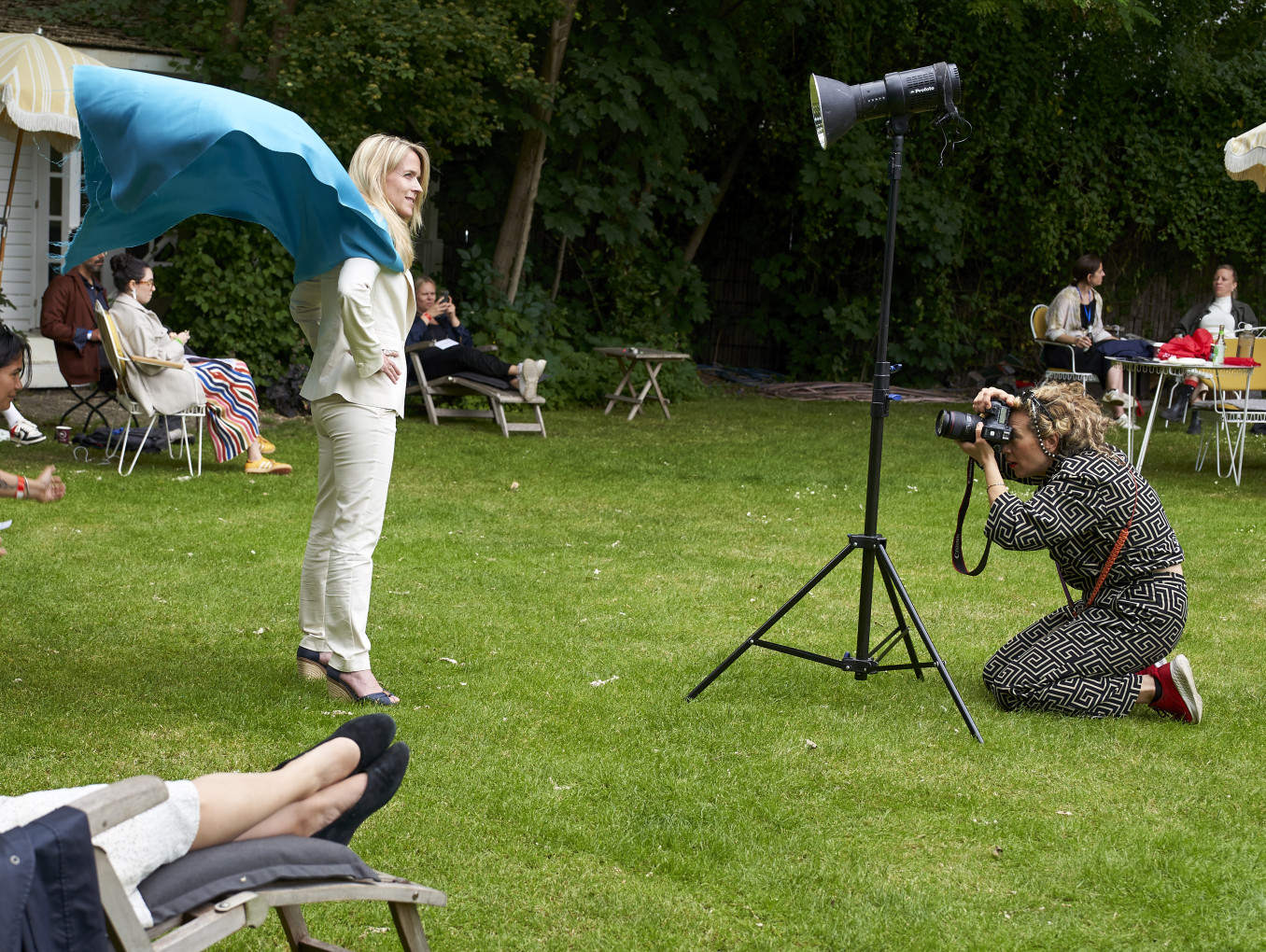
About the Artist Esra Rotthoff
Esra Rotthoff is a Berlin-based visual artist and photographer known for her striking, cinematically charged portraits. A graduate of the Berlin University of the Arts and recipient of the prestigious Meisterschüler distinction, her work sits at the intersection of documentary and staged imagery, inviting those in front of her lens to become performers of their own stories. With multiple awards to her name, including the Art Directors Club Award, the Red Dot Award, and the German Design Award, Esra brings a rare combination of warmth and artistic boldness to every encounter, making her the perfect collaborator to capture the spirit of the Unsung Heroes.
About the Artist Esra Rotthoff
Esra Rotthoff is a Berlin-based visual artist and photographer known for her striking, cinematically charged portraits. A graduate of the Berlin University of the Arts and recipient of the prestigious Meisterschüler distinction, her work sits at the intersection of documentary and staged imagery, inviting those in front of her lens to become performers of their own stories. With multiple awards to her name, including the Art Directors Club Award, the Red Dot Award, and the German Design Award, Esra brings a rare combination of warmth and artistic boldness to every encounter, making her the perfect collaborator to capture the spirit of the Unsung Heroes.