TACTICAL URBANISM: SHORT-TERM ACTION, FOR LONG-TERM CHANGE
This essay belongs to the 2026 collection Creative Bureaucracy: Where Next & How?, edited by Charles Landry and Sebastian Turner. It explores new possibilities for public institutions through perspectives from practitioners and thinkers worldwide.
Mike Lydon traces how Tactical Urbanism grew from grassroots interventions into an internationally adopted approach to urban change. From parklets and painted plazas to pandemic-era open streets, he shows how small, temporary experiments can help communities and governments create lasting improvements—and challenge the bureaucratic barriers that stand in their way.
By Mike Lydon
Published: 29 October 2026
Tactical Urbanism is the application of low-cost, short-term actions intended to catalyze long-term change in our neighborhoods. Project goals often include making streets safer, vacant lots vibrant, or building community gathering spaces where there are none. The term was inspired by witnessing everyday people take it upon themselves to physically improve their surroundings, eschewing the lengthy public consultation processes that often lead to a lot of plans but little actual measurable progress. Many of the early initiatives we documented in the late aughts were then adopted by city leaders and led to lasting transformation. Today, Tactical Urbanism has matured into a coherent show-not-tell methodology for speeding up the delivery of sustainable, human-scale environments on a global scale. It wasn’t always this way.
The impulse to shape one’s immediate environment for the better is as old as cities themselves. However, Tactical Urbanism emerged from the depths of the Global Financial Crisis, as everyday citizens, nonprofits, advocates, planners, and designers pushed forward with addressing a changing climate, growing political polarization, and increased social isolation. Into the municipal budget breach came parklets, painted plazas, guerilla bike lanes, and pop-up retail activations that breathed new life into streets, vacant lots, and underused land. Such immediate transformations were quickly documented on burgeoning social media channels and spread across the globe. Given diminished resources, some leading cities even began to advance projects with a range of “cheap and cheerful” materials.
Understanding a broader trend at play, we aggregated a range of disparate initiatives and defined Tactical Urbanism in 2010, positioning the concept for global dissemination within a free-to-download manifesto of sorts that we made available online in 2011. Beyond the projects themselves, we were inspired by the optimism of the fast-growing tech sector, where we found relevance in the Lean Start-Up mentality of quick, iterative moves and translated that thinking to the interdisciplinary, never-ending task that is city building.
Tactical Urbanism was certainly a reflection of the era, but we soon learned it also held immense promise in pushing cities forward whereby the government and citizens could co-create the future. Our 2015 book, Tactical Urbanism: Short-Term Action for Long-Term Change, sought to further memorialize what we were learning from our practice of not only studying but also applying the methodology.
Since then, tactical projects have increased in size, ambition, and duration. Accordingly, government participation has grown substantially. What was once a fringe idea is now increasingly mainstream across the many disciplines engaged with building more sustainable towns and cities. For example, the US federal government’s $5 billion Safe Streets and Roads for All program explicitly funds municipal traffic safety initiatives that include “Quick-Build” pilot projects.
The Tactical Urbanism methodology is a weigh-station for how interested and ready a community is for sustained change at scale. The power of Tactical Urbanism is that it still can be deployed by those with or without access to the levers of power who are looking to show what’s possible and enact change fast, with less bureaucratic process or an overly risky political or financial commitment. While the term is known to turn some off, we’ve been delighted to discover that the core ideas appeal as much to liberals as they do to fiscal conservatives.
The COVID-19 pandemic accelerated Tactical Urbanism efforts at an unprecedented scale. Overnight, cities were forced to physically adapt to ensure a semblance of society could continue. Those cities with an applied familiarity with the methodology acted the most decisively by removing parking lanes for outdoor dining, taking over vehicle-clogged thoroughfares for miles of pedestrian ‘open streets’, and lining sidewalks or parking lots with vaccination infrastructure for the masses. For many, these rapid, tactical changes to the cityscape were the only good thing to come out of the pandemic, leaving behind car-free streets, miles of new bike lanes, permanent outdoor dining, and a broader understanding of how important parks are to our mental and physical health.
At a deeper level, the pandemic response proved how rapidly and effectively government bureaucracy can act when the normal cocktail of well-intended rules, regulations, and fees are suspended. While no one expected that to outlive the pandemic, it did underscore that the biggest barriers to building more inclusive, livable cities aren’t technological, financial, or even spatial; they’re us.
Looking towards the future, it’s clear that the widespread adoption of Tactical Urbanism has moved beyond a passing fad; it represents a paradigm shift in how we improve cities. The pandemic served as a lesson and as a catalyst, illuminating the potential for swift, meaningful change when city government and citizens work (imperfectly) together to tackle short-term shocks and long-term stresses. As we continue to navigate the complexities of 21st century urban living, let us commit to nurturing a spirit of collaboration, innovation, and adaptability. Our shared future depends on a collective will to envision neighborhoods that prioritize people over vehicles, community over isolation, and sustainability over convenience.
ABOUT THE AUTHOR
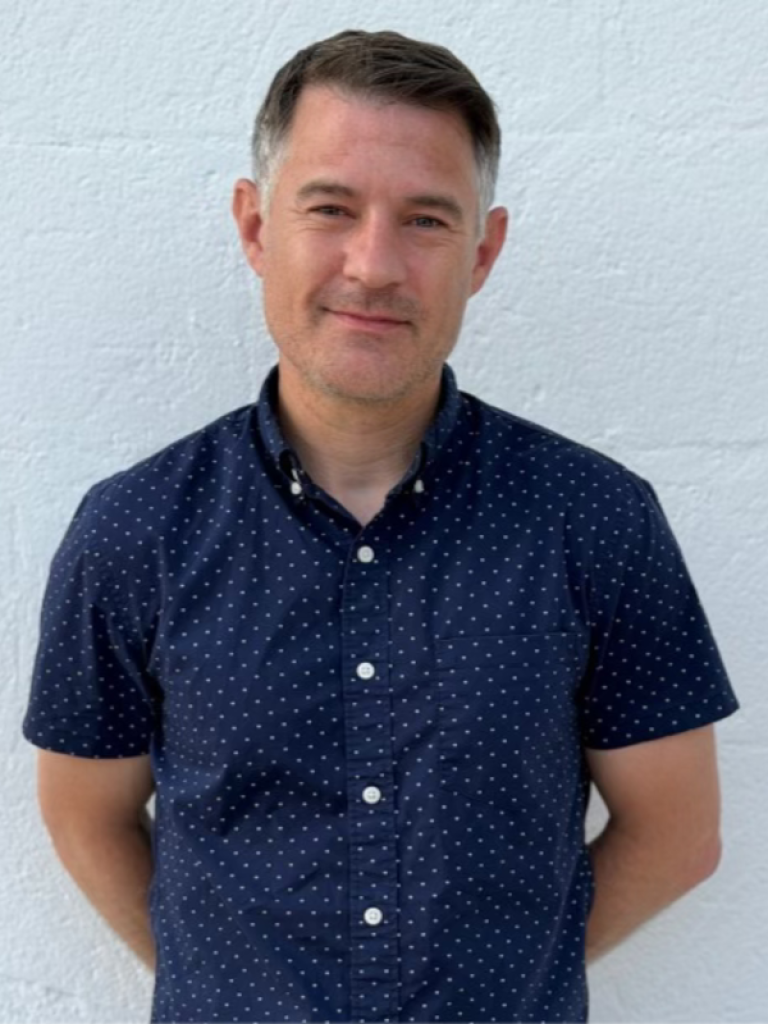
Mike Lydon is Principal and Co-Founder of Street Plans, where he leads the New York City office. An internationally recognized planner, author and speaker, he has led more than 150 street redesign projects globally. He pioneered Tactical Urbanism and co-authored Tactical Urbanism: Short-Term Action, Long-Term Change with Tony Garcia. Named by Planetizen in 2023 among the 100 most influential urbanists of all time, Mike champions practical approaches to creating more livable cities. He holds a master's in urban planning from the University of Michigan and encourages trading four wheels for two.
ABOUT THE CREATIVE BUREAUCRACY FESTIVAL
Public administration, too, has excellent, creative solutions for almost every challenge facing society — the Creative Bureaucracy Festival brings them to the stage and the people behind them into conversation. The festival, in the words of its President Charles Landry, stands for the shift from a "No, because" culture to a "Yes, if" culture that embraces new ideas with enthusiasm. Through the presentation of the Creative Bureaucracy Awards, the festival also aims to strengthen the public reputation of administration. The Global Forum of Public Service Leaders, which begins on the day before the festival, is the annual gathering of public sector leaders from around the world. The Young Bureaucrats Event addresses the next generation of creative talent in the public sector. Further information can be found at https://creativebureaucracy.org/.
ABOUT THE BOOK — CREATIVE BUREAUCRACY: WHERE NEXT & HOW?
Creative Bureaucracy: Where Next & How? — The 1st Creative Bureaucracy Global Report 2026 brings together 24 contributors from government, academia, cities, philanthropy, design and public innovation to explore how far the idea of creative bureaucracy has travelled, whether it is making a tangible difference and where the movement should go next. Featuring internationally recognised thinkers and practitioners alongside leading voices from governments, cities and innovation organisations around the world, the report offers a broad range of perspectives on how public institutions can become more capable, humane, imaginative and effective. Its chapters examine themes including the future of the state, public-sector leadership, service design, implementation, civic imagination and the human qualities needed in governance, such as judgement, care, courage, playfulness and agency. Edited by Creative Bureaucracy Festival co-founders Charles Landry and Sebastian Turner, the report seeks to help shape a new operating logic for governance—one that combines imagination with implementation, experimentation with accountability, and public purpose with democratic trust. For more information, contact info@creativebureaucracy.org.