The Creative Bureaucracy and the Politics of Consequence
This essay is part of Creative Bureaucracy: Where Next & How?, the 2026 Creative Bureaucracy book conceived and edited by Charles Landry and Sebastian Turner. The publication brings together voices from around the world—including civil servants, designers, scholars and public innovators—to explore where public institutions should go next, and how they can get there.
By James Anderson
Published: 05 June 2026
The head of Mexico City’s innovation agency years ago said something to me I’ve never forgotten: how dare we, as people given the chance to improve the lives of millions, play with pilots? What self-indulgence.
Building the global government innovation program at Bloomberg Philanthropies, for more than fifteen years, I’ve worked alongside mayors and city teams trying to change how government works.
In the earliest years, the priority was protection. Labs, teams, and offices were carved out inside municipalities so innovators could test new ways of working without being shut down by standard operating procedure or politics as usual. Distance from core operations was deliberate and important.
But insulation had a half-life.
Innovation too often became a special place rather than a core part of effective governance as these teams refined their craft. The work was admired and showcased, yet separated from budgets, procurement, staffing decisions, and the political commitments that determine what grows and endures. The distance that once protected the ambition to work differently became a barrier to at-scale impact.
The lesson is this: In the public sector, major change does not happen at the margins. It happens when innovation aligns with power.
Whole-of-city digital transformation does not occur without executive championship. Entrenched systems of care do not shift without political cover and sustained backing. Procurement, budgeting, and service delivery are not transformed through technical expertise alone. They change when leaders decide they must—and are willing to stake their leadership on it.
Nesta defines innovation as the process by which new ideas turn into practical value in the world. The test is in the turning. Public innovation cannot end with a terrific systems map, a breathtaking prototype, or a radical idea that never lifts off. It must produce value at scale—and that requires implementation, delivery, and political alignment.
The Mexico City challenge reminds us that public innovation cannot be limited to novelty. It must be defined by consequence. If we work inside institutions that wield immense power to improve lives, then playing safely at the edges is not enough. Ambition in government innovation isn’t about more ideas. It’s about designing for implementation and scale from the start. How an idea moves from prototype to scale must become as central to innovation practice as how an idea better meets the needs of residents.
Fifteen years on, a new professional class of public innovators has emerged in municipalities worldwide. They have mastered insights, ideation, prototyping, and new forms of stakeholder engagement. The next stage requires political maturity: applying those tools to the agendas voters have authorized and doing the internal work—budget, coalition-building, and hard trade-offs—to use the innovation toolkit to help elected leaders deliver more ambitious, more people-centered results than traditional governing alone would produce. That means moving out of innovation’s safe corners and into the center of mayoral priorities, where success is measured not by creativity alone but by whether governing promises are kept.
The creative bureaucracies of tomorrow will matter not for the elegance or abundance of their ideas, but for whether they turn public power into progress people can feel.
ABOUT THE AUTHOR
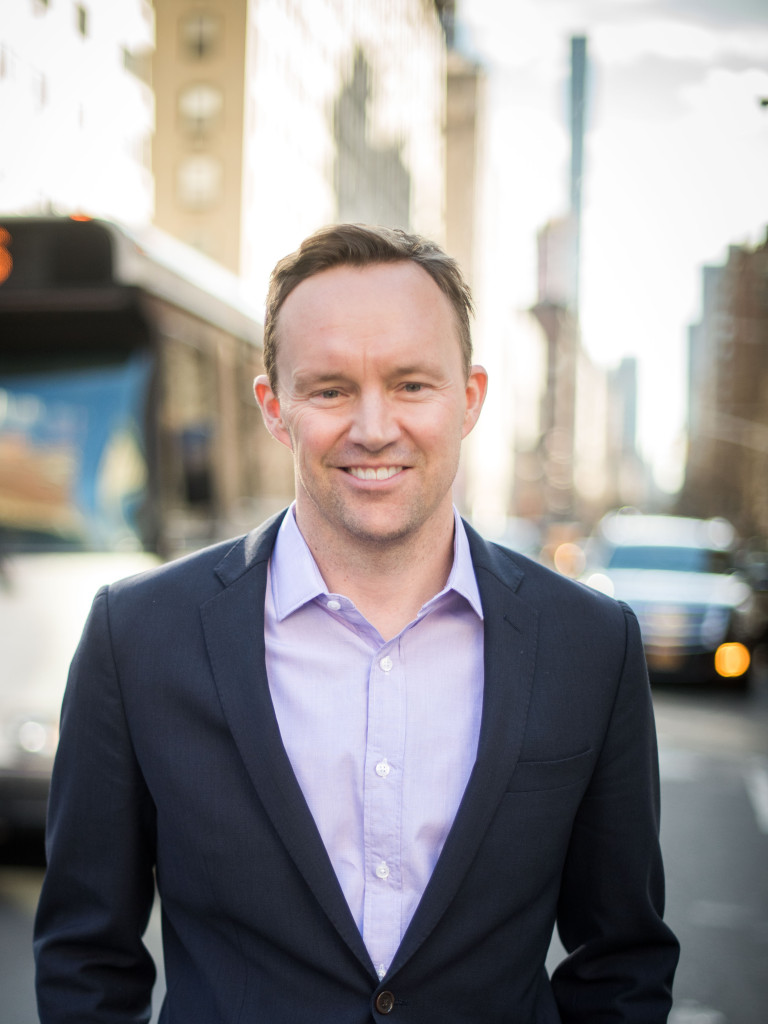
James Anderson leads the Government Innovation program at Bloomberg Philanthropies, a portfolio of work that supports hundreds of municipalities and thousands of local officials—which he established and has led for more than a decade.
Through a suite of capacity-building programs, his work focuses on bolstering the leadership, data, innovation, and collaboration capabilities city halls need to lead. Previously, James served as communications director for New York City Mayor Michael R. Bloomberg and was an associate commissioner for the New York City Department of Homeless Services.
ABOUT THE CREATIVE BUREAUCRACY FESTIVAL
Public administration, too, has excellent, creative solutions for almost every challenge facing society — the Creative Bureaucracy Festival brings them to the stage and the people behind them into conversation. The festival, in the words of its President Charles Landry, stands for the shift from a "No, because" culture to a "Yes, if" culture that embraces new ideas with enthusiasm. Through the presentation of the Creative Bureaucracy Awards, the festival also aims to strengthen the public reputation of administration. The Global Forum of Public Service Leaders, which begins on the day before the festival, is the annual gathering of public sector leaders from around the world. The Young Bureaucrats Event addresses the next generation of creative talent in the public sector. Further information can be found at https://creativebureaucracy.org/.
ABOUT THE BOOK — CREATIVE BUREAUCRACY: WHERE NEXT & HOW?
Creative Bureaucracy: Where Next & How? — The 1st Creative Bureaucracy Global Report 2026 brings together 24 contributors from government, academia, cities, philanthropy, design and public innovation to explore how far the idea of creative bureaucracy has travelled, whether it is making a tangible difference and where the movement should go next. Featuring internationally recognised thinkers and practitioners alongside leading voices from governments, cities and innovation organisations around the world, the report offers a broad range of perspectives on how public institutions can become more capable, humane, imaginative and effective. Its chapters examine themes including the future of the state, public-sector leadership, service design, implementation, civic imagination and the human qualities needed in governance, such as judgement, care, courage, playfulness and agency. Edited by Creative Bureaucracy Festival co-founders Charles Landry and Sebastian Turner, the report seeks to help shape a new operating logic for governance—one that combines imagination with implementation, experimentation with accountability, and public purpose with democratic trust. For more information, contact info@creativebureaucracy.org.