First Programme Highlights 2026
Creative Bureaucracy – Stronger Democracy
How can creative administration strengthen democracy? This question sits at the heart of this year's Creative Bureaucracy Festival.
At a time when government modernisation has become a top political priority across Europe and beyond, public administrations have a unique opportunity to become more innovative, faster and more effective — and to deliver results that people can truly experience. In doing so, they play a critical role in strengthening democratic trust.
On 11 June 2026, the ninth Creative Bureaucracy Festival will bring together more than 2,000 participants from public administration, politics and civil society in Berlin.
This year's programme addresses key challenges shaping public sector transformation — from federal cooperation and digital transformation to resilience and defence, artificial intelligence, migration, cities as innovation labs, leadership, youth participation and new forms of citizen engagement.
Confirmed speakers include: Dr. Jan Stöß, State Secretary at the German Federal Ministry of Defence; Wolfgang Schüssel, former Federal Chancellor of Austria; George Papandreou, Rapporteur-General on Democracy of the Parliamentary Assembly of the Council of Europe and former Prime Minister of Greece; Monica Barone, CEO of the City of Sydney; Boris Palmer, Mayor of Tübingen; Veronika Grimm, Member of the German Council of Economic Experts; Rainer Kern, Executive Director of the Global Parliament of Mayors; Theresa Twachtmann, Managing Director, PD – Berater der öffentlichen Hand; Dr. André Göbel, President of FITKO; Frederik Blachetta, Chief Technology Officer, Bundesdruckerei; Helene Bubrowski, Co-Editor-in-Chief of Table.Briefings and incoming first female Publisher of the FAZ; and Lorenz Maroldt, Publisher of Tagesspiegel.
On the day before the Festival, the Global Forum of Public Service Leaders brings together leading voices in government innovation from around the world to explore how administrations can move from deadlock to delivery. Contributors include Ott Velsberg, Chief Digital Officer of Estonia; Cornelia Findeisen, Head of the HR Department for the State's Digital Sector, DINUM, France; and Angela Hanson, OECD Observatory of Public Sector Innovation.
A special highlight: Audrey Tang, former Minister for Digital Affairs in Taiwan and now Cyber Ambassador, will join the programme.
Today, we offer a first glimpse into the people, ideas and solutions shaping this year's festival — and into how administrations are shifting from a "No, because" to a "Yes, if"mindset.
The full programme will be released soon. Until then, explore the highlights and get ready for 11 June in Berlin.
🌍 CLUB STAGE
Where Global Challenges Meet Bold Solutions
How can governments move from reform ambitions to real transformation? The Club Stage brings together keynotes, panels and conversations on the systemic questions facing public institutions today: how to modernise the state, strengthen cooperation, build digital capabilities, reduce unnecessary bureaucracy and make public service fit for the future.
🌍 CLUB STAGE
Where Global Challenges Meet Bold Solutions
How can governments move from reform ambitions to real transformation? The Club Stage brings together keynotes, panels and conversations on the systemic questions facing public institutions today: how to modernise the state, strengthen cooperation, build digital capabilities, reduce unnecessary bureaucracy and make public service fit for the future.
The programme moves between strategic perspectives and concrete examples. Sessions explore how different levels of government can jointly build resilient administrations. In a dedicated session, State Secretary Dr. Jan Stöß will take questions from the audience on how the German Federal Ministry of Defence is reducing bureaucracy and building more effective structures.
Highlights include how media anxiety can inhibit government innovation, how to make project management in government simpler and more actionable, how Estonia applies AI while maintaining human oversight, and how new ways of working take hold in practice within pioneering institutions.
The day culminates in The Great Government Efficiency Debate — a lively, audience-driven exchange on whether prioritising efficiency strengthens government or undermines it.
On stage, among others: Nathanael Liminski, Minister for Federal, European, International Affairs and Media, State of North Rhine-Westphalia; Dominik Böllhoff, Head of Department, German Federal Ministry for Digital Transformation and Government Modernisation (BMDS); Jeannine-Chantalle Ross, German Federal Office for Foreign Affairs; Stefan Evers, Senate Department for Finance Berlin; Maja Göpel, University of Lüneburg; René Marcel Mittelstädt, GPM Deutsche Gesellschaft für Projektmanagement e. V.; Olafur Eliasson, Artist.
📺 The Club Stage will be streamed globally on our website.
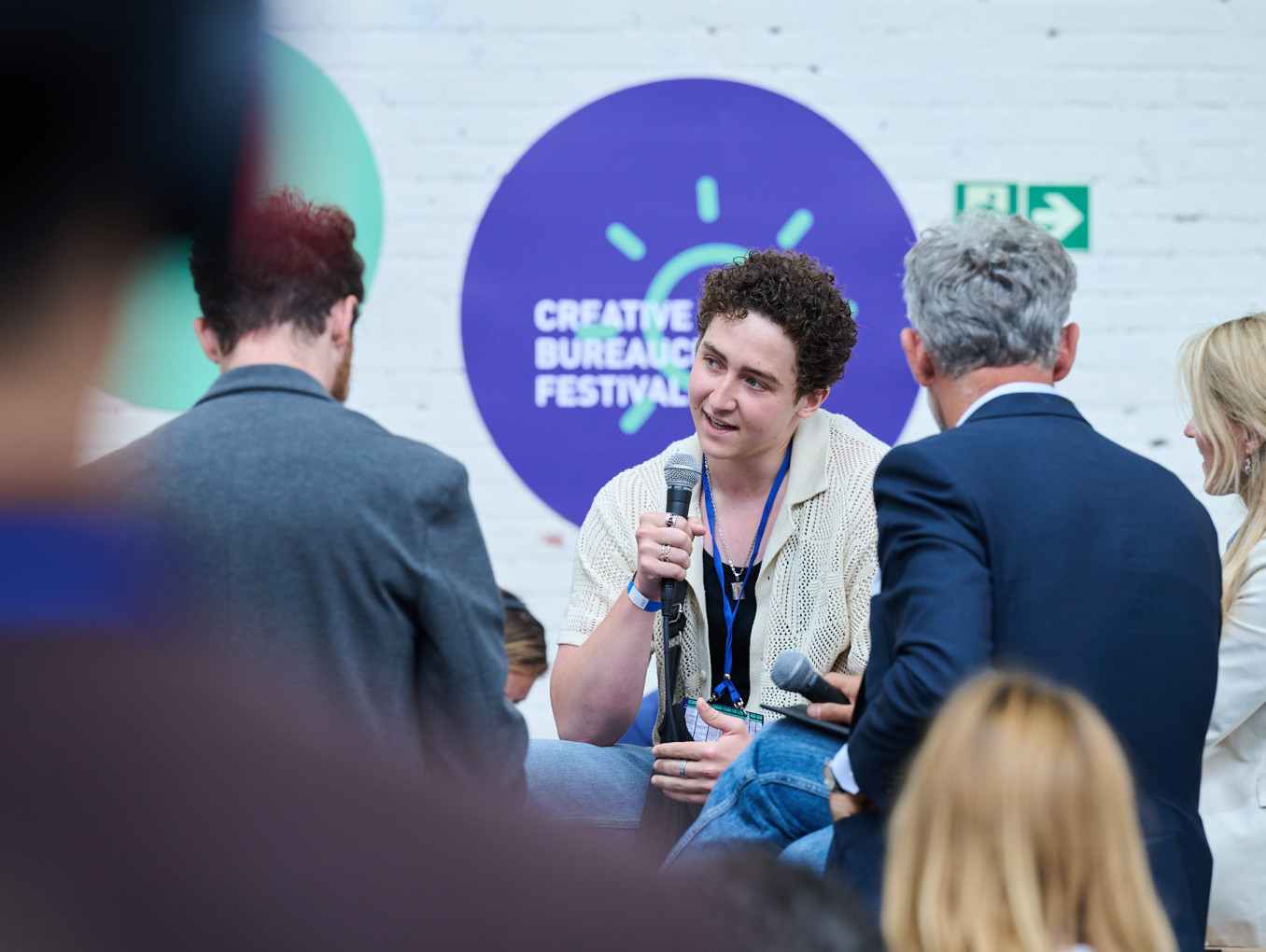
⚙️ FACTORY STAGE
Where Systems Learn to Change
How can large organisations rethink the way they work, learn and regulate? The Factory Stage focuses on the practical mechanics of transformation — from leadership and whole-of-government approaches to data management, better regulation, education reform and local innovation.
⚙️ FACTORY STAGE
Where Systems Learn to Change
How can large organisations rethink the way they work, learn and regulate? The Factory Stage focuses on the practical mechanics of transformation — from leadership and whole-of-government approaches to data management, better regulation, education reform and local innovation.
The programme connects federal reform agendas with real-world practice across cities, ministries, schools, and public institutions. Sessions explore how future-ready education systems are co-created, how cities engage young people beyond Big Tech, and how smaller municipalities open up planning through participation.
Further topics include inclusive citizen engagement, participatory lawmaking, leadership that reduces unnecessary bureaucracy, and how interoperable data systems can enable more efficient, user-centred administration across government levels.
On stage: Dominik Böllhoff, Head of Department, German Federal Ministry for Digital Transformation and Government Modernisation (BMDS); Philip von Haehling, Managing Director, PD – Berater der öffentlichen Hand; and Anne Sliwka, Professor of Educational Science at the University of Heidelberg, alongside contributors from the German Federal Ministry of Defence, the Bündnis für Staatsreform, Bertelsmann Stiftung, Konrad-Adenauer-Stiftung e. V., the City of Bielefeld, and more.
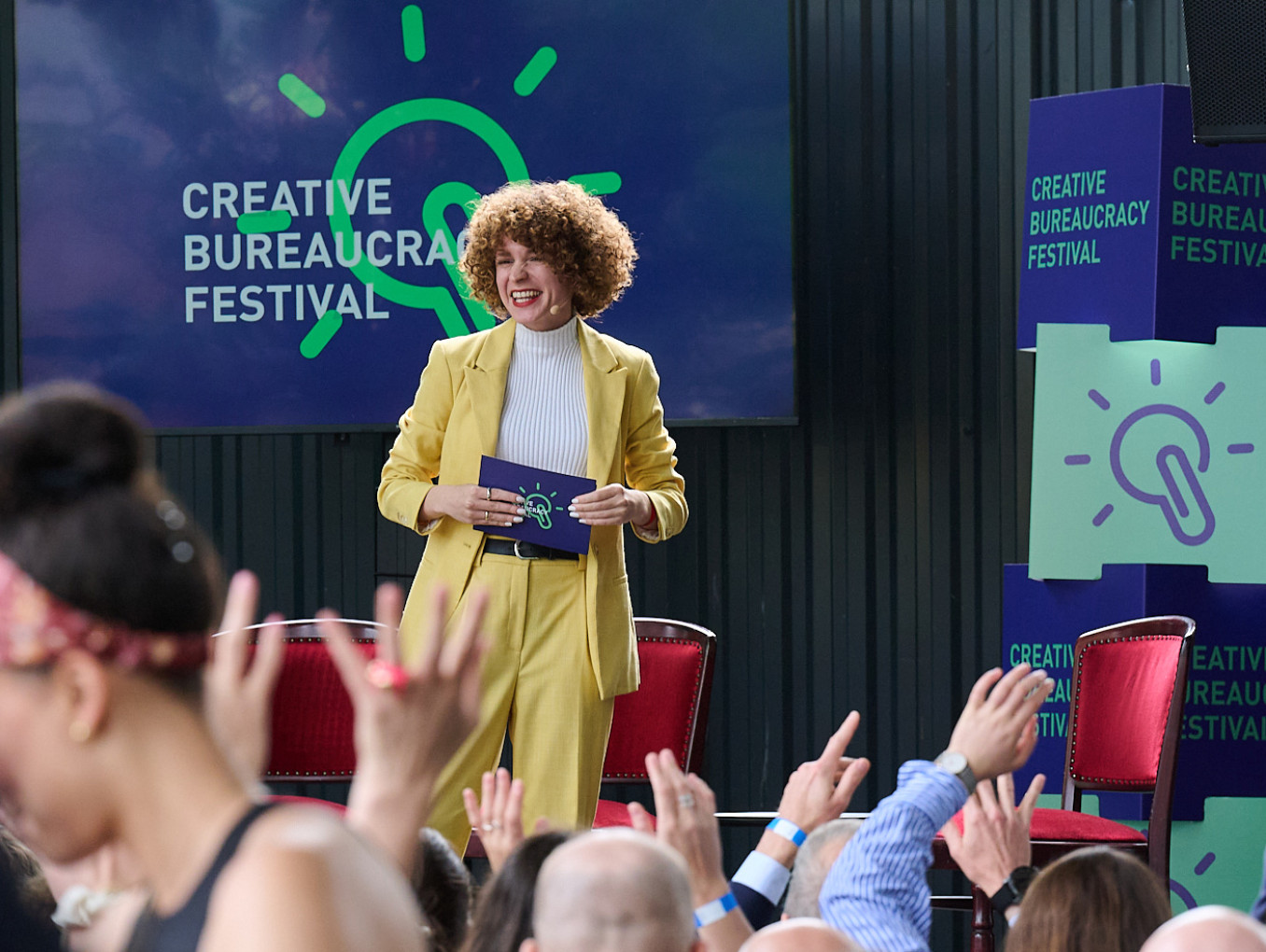
🌿 GARDEN STAGE
Where Practical Ideas Take Root
What does public sector innovation look like in practice? The Garden Stage presents project showcases, pilots and applied examples that turn policy goals into working solutions — from digital benefits and strategic foresight to data labs, neighbourhood participation and bureaucracy reduction.
🌿 GARDEN STAGE
Where Practical Ideas Take Root
What does public sector innovation look like in practice? The Garden Stage presents project showcases, pilots and applied examples that turn policy goals into working solutions — from digital benefits and strategic foresight to data labs, neighbourhood participation and bureaucracy reduction.
This stage explores how community ideas in Montevideo are translated into measurable commitments, how strategic foresight is embedded into core administrative systems to prepare for demographic change and rising complexity, and how a school supplies benefit can be digitised through cross-level collaboration, creating a secure system with high take-up among families. It also highlights how government data labs unlock unused data through AI and cross-department collaboration to enable better decisions, and examines the tools and leadership needed to scale innovation in health systems.
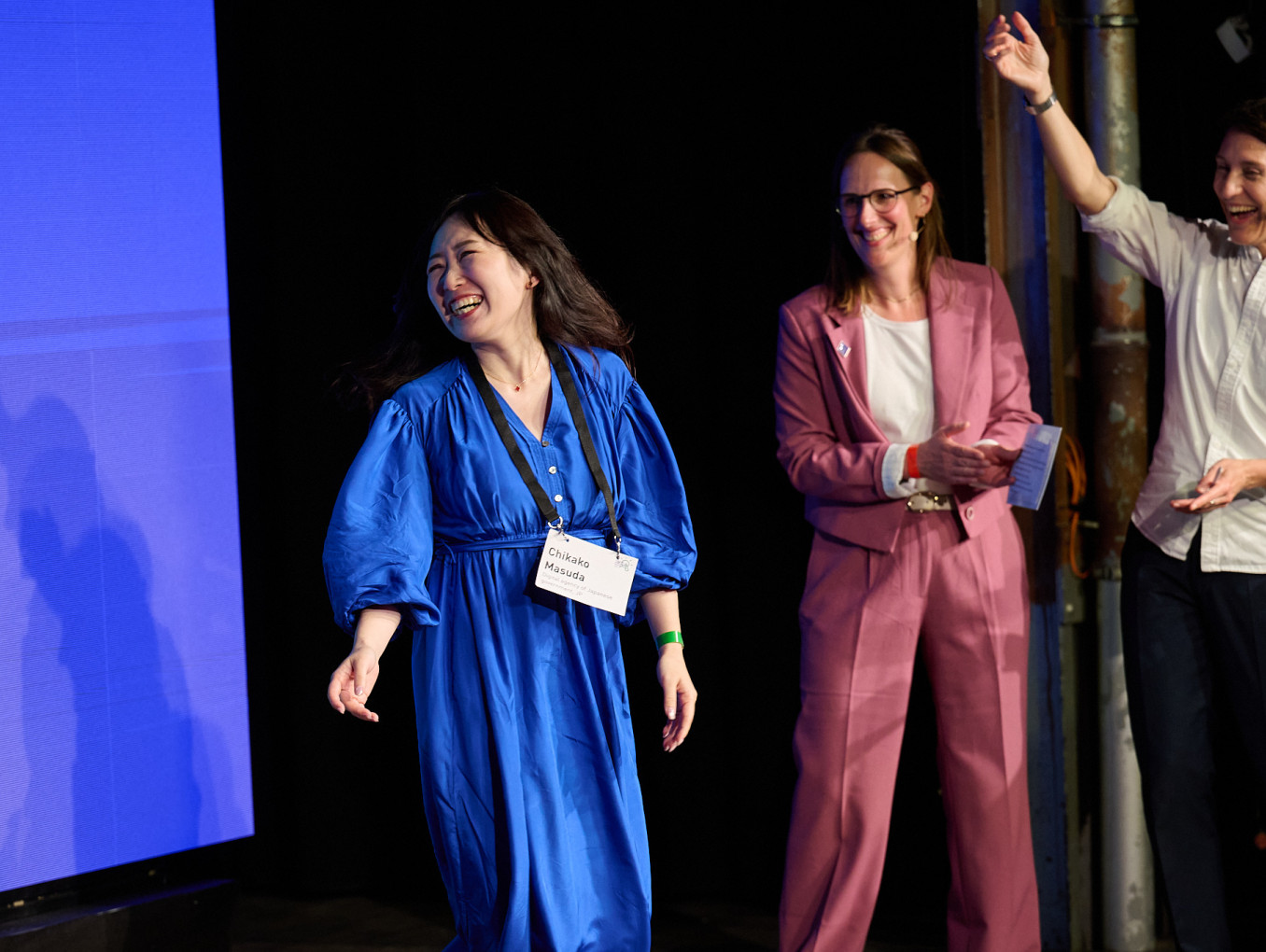
On stage: Chikako Masuda, Head of Intelligence Research at Digital Agency, Government of Japan; Ronja Kemmer, Member of the German Bundestag; Matthias Hundt, Chief Digital Officer of Berlin; Maximiliano Nogueira, Municipio C Montevideo; Angela Hanson, Innovation lead at the OECD Observatory of Public Sector Innovation; Louise Agersnap, Head of the WHO Innovation Hub; alongside contributors from the German Federal Ministry of Defence, the Federal Ministry of Labour, Social Affairs, Health Care and Consumer Protection of the Republic of Austria, Create Lithuania, the Waste Pickers Association of Nigeria, NewGov NRW and more.
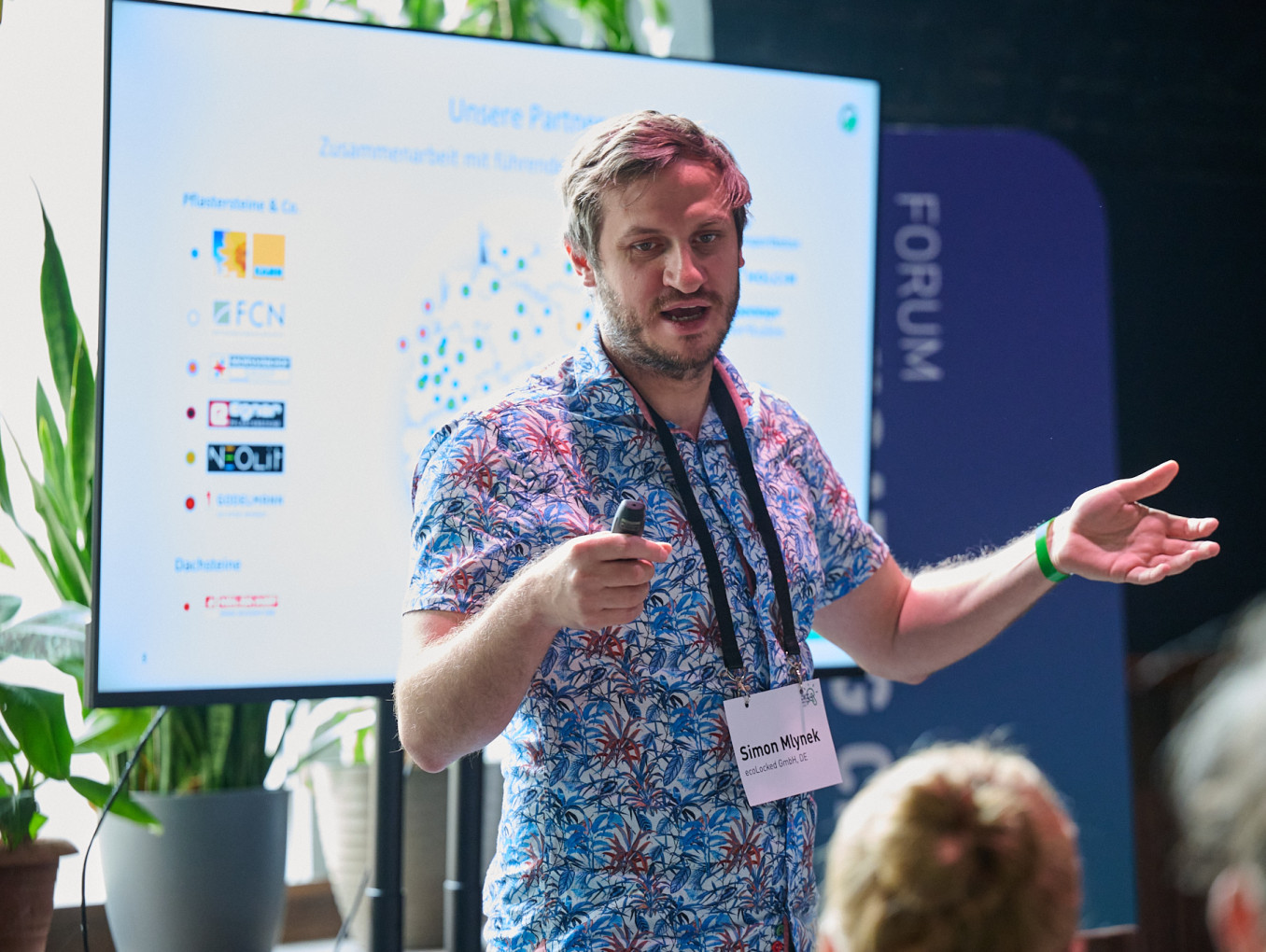
💬 CIRCLE STAGE
Where Participation Powers Reflection
How can public servants, leaders and communities learn from each other in open conversation? The Circle Stage is built around fishbowl formats that invite direct exchange, shared reflection and practical learning — from administrative culture and hierarchy to public service stories and AI governance.
💬 CIRCLE STAGE
Where Participation Powers Reflection
How can public servants, leaders and communities learn from each other in open conversation? The Circle Stage is built around fishbowl formats that invite direct exchange, shared reflection and practical learning — from administrative culture and hierarchy to public service stories and AI governance.
The sessions explore how public organisations can tame the bureaucratic beast and shift from a "managing" to a "shaping" mindset; how to lead horizontally in vertical organisations; how governments worldwide are rethinking training to equip public leaders with the skills needed to tackle complex challenges — from climate to AI — through new learning models, partnerships and leadership development approaches; and the Dos and Don'ts of AI governance.
On stage: Katja Wilken, President, German Federal Office of Administration; Katrin Hirseland, Vice President, German Federal Office for Migration and Refugees; Inge Paulini, President of the German Federal Office for Radiation Protection; Dirk Günnewig, State Secretary at the Ministry of Finance of the State of North Rhine-Westphalia; Cornelia Findeisen, Head of the HR Department for the State's Digital Sector, DINUM, France; Sylvia Veit, Professor, Helmut Schmidt University; alongside contributors from the German Federal Ministry of Defence, La 27e Région, States of Change, Apolitical, Humans of Public Service, PD – Berater der öffentlichen Hand, BMDS and more.
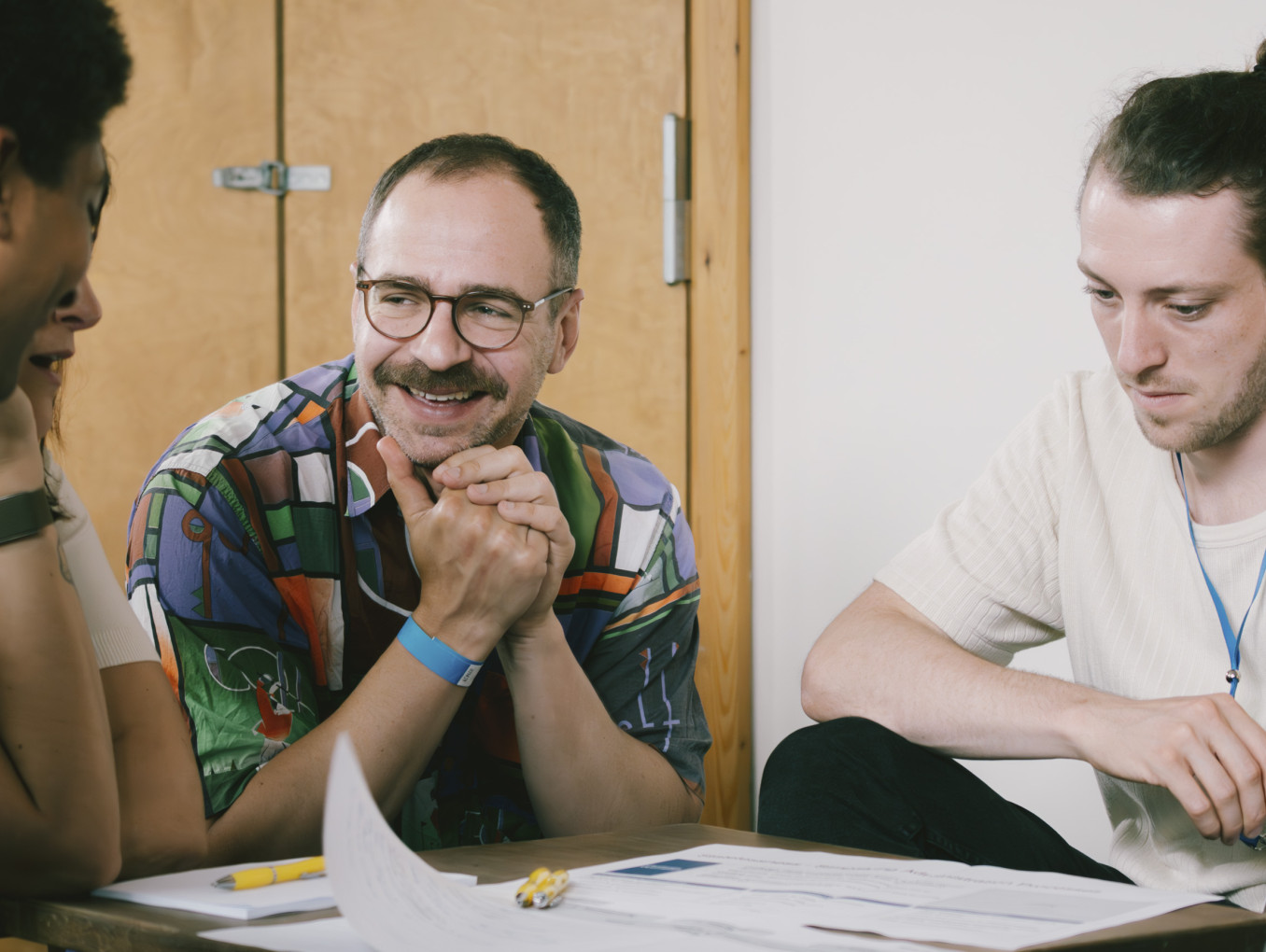
🤝 FORUMS, ACADEMY, MEETUPS & MORE
Spaces for Deep Dives and New Connections
Beyond the main stages, the festival offers dedicated forums, the Academy, meetups, partner stands, demo stations and cruise formats — each designed for deeper exchange, hands-on learning and cross-sector collaboration on the most pressing questions in governance today.
🤝 FORUMS, ACADEMY, MEETUPS & MORE
Spaces for Deep Dives and New Connections
Beyond the main stages, the festival offers dedicated forums, the Academy, meetups, partner stands, demo stations and cruise formats — each designed for deeper exchange, hands-on learning and cross-sector collaboration on the most pressing questions in governance today.
- The Forum Shaping the Future explores how the Digitalcheck approach ensures that laws are designed for digital implementation from the start — using visualisation and hands-on methods to make complex regulations more user-friendly and actionable; how governments can build lasting digital administrations that outlive individual governments; and how Design Futuring can move administrative reform beyond linear optimisation toward bold, speculative scenarios for the future of government. Additional future-focused formats round out the programme, with contributions from byte – Bayerische Agentur für Digitales, the Bavarian State Ministry for Digital Affairs, Konrad-Adenauer-Stiftung e. V., INA Digital Edu, the EC Policy Lab, and more.
- The Forum Collaborative State looks at how Germany's administrative digitalisation can be driven forward in practice — from implementing register modernisation and NOOTS through effective coordination and cross-level collaboration, to navigating overlapping strategies via the Federal Digital Strategy, and designing digital projects with clear impact using practical tools like impact logic. It also highlights how portfolio steering in a federal system helps prioritise initiatives, allocate scarce resources, and align projects with strategic goals to maximise overall impact. With contributions from the Federal IT Cooperation (FITKO), the German IT Planning Council, the Office for IT and Digitization Hamburg, PD – Berater der öffentlichen Hand and more.
- The Academy highlights the human side of public service, where judgment, integrity, and responsibility are tested under pressure. Workshops examine how public servants stay capable when rules meet reality, how to balance political loyalty with professional integrity, and how collaboration works across silos in practice. They also ask how trust can be rebuilt between administration and society in times of polarisation. With Politics for Tomorrow, Civic Design Collaborative, nextlearning e. V., resilience.earth, and the University of British Columbia.
- The Meetup area invites informal, drop-in conversations around shared interests and emerging questions. Topics include digitalisation in Asia, PolyFutures, the life and death of innovation labs, social innovation in public administration and transformation hubs. With contributions from the European Commission, Krogh and Civic Design Collaborative, INSPIRE PA, Bündnis für Staatsreform and more.
- The partner stands and demo stations invite visitors to discover practical tools, partners and live examples throughout the festival day. Contributors include GPM Deutsche Gesellschaft für Projektmanagement e. V., German Federal Ministry of Defence, PD – Berater der öffentlichen Hand, Federal IT Cooperation (FITKO), German Federal Office of Administration, Koordinierung der Datenlabore/BMDS, Fraunhofer Fokus, Center for Digital Sovereignty of Public Administration (ZenDiS), Townhall Saxony and more.